

Italy is one of the world’s most sought-after destinations for high-net-worth individuals seeking to buy or sell luxury properties. It is a unique heritage comprising art, history, landscapes, and lifestyle, and in this article, we will help you better understand how real estate investments in Italian luxury real estate work. A guide that covers key topics such as investment types, the most sought-after areas, prices, sector trends, and tax advantages.
Whether you are looking for a historic villa in Tuscany, a contemporary design home on the Tuscan coast, or a secluded countryside estate in Umbria, understanding the Italian market, legal procedures, and fiscal advantages is essential for making an informed investment.
Buying a Luxury Property in Italy
What are the most popular investment types in Italian luxury real estate?
Italy’s luxury real estate market stands out for its uniqueness, attracting international buyers seeking prestigious and collectible properties.

Real estate investments span multiple types, and these are the most sought after by luxury homebuyers and investors:
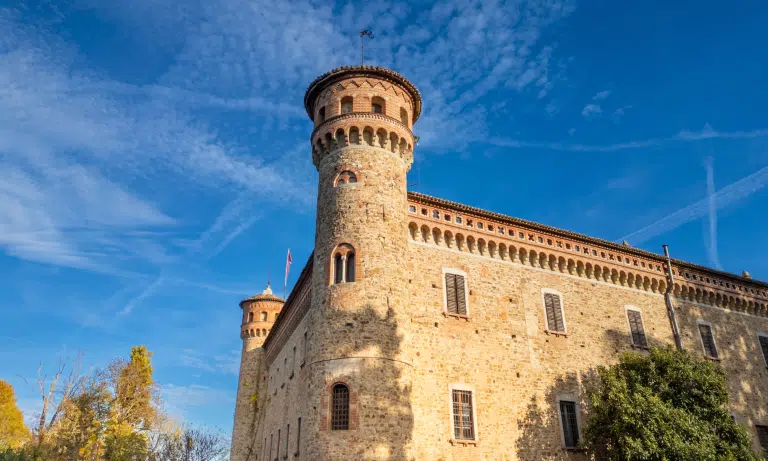
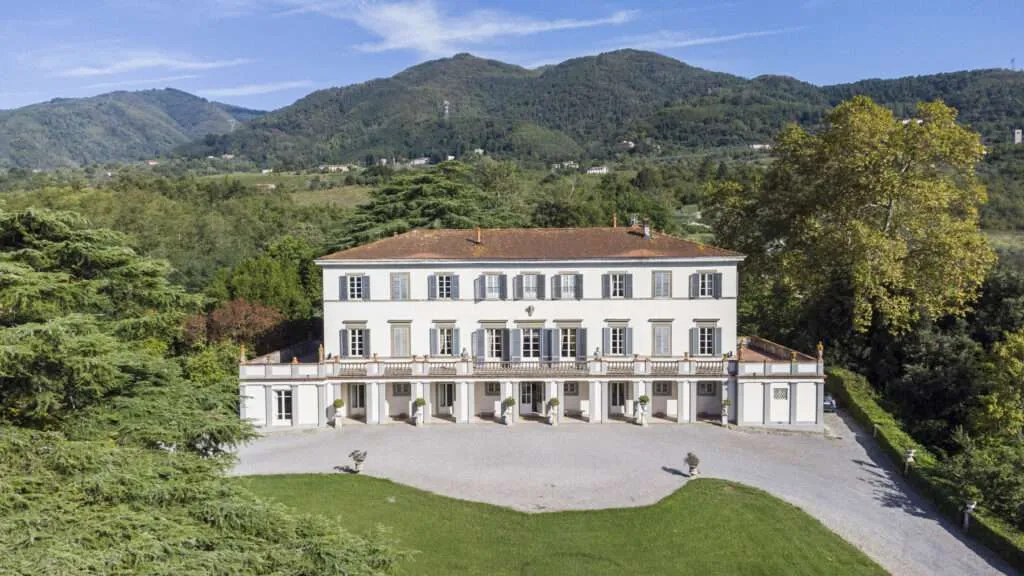
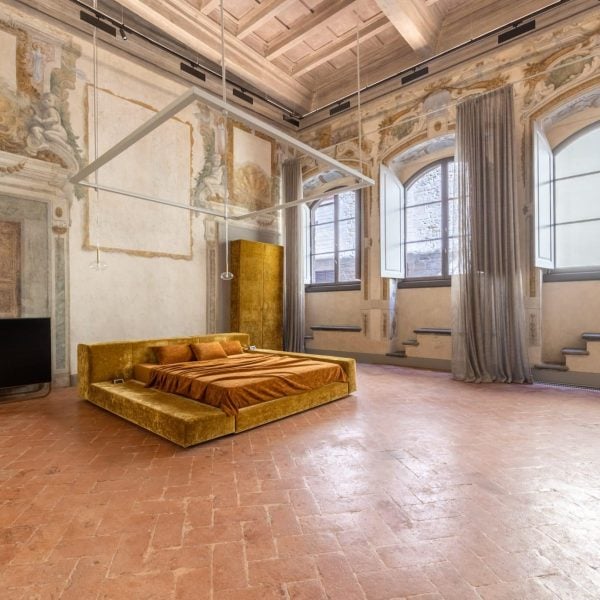
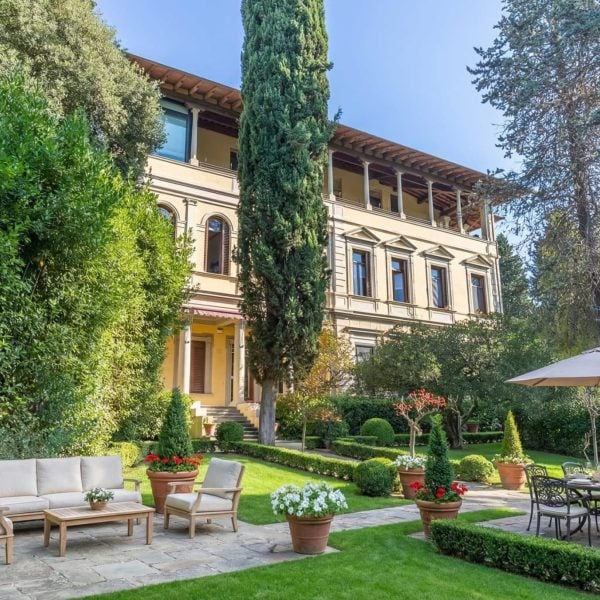
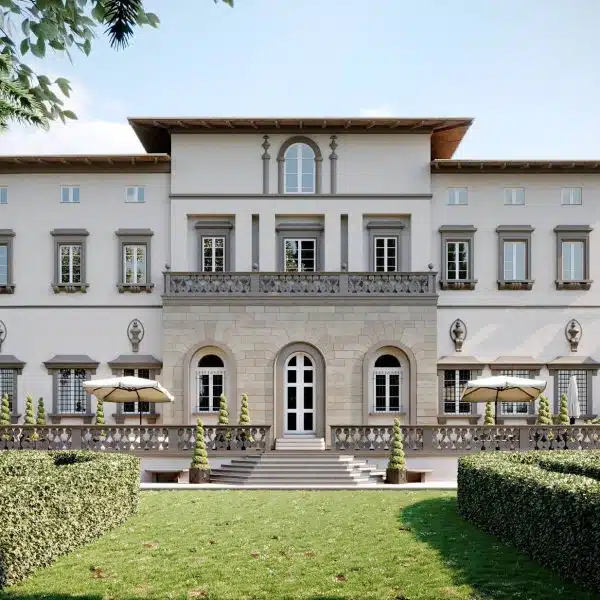
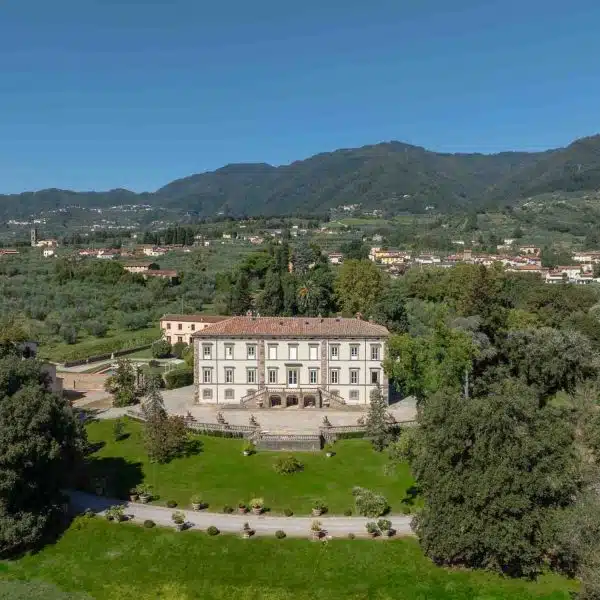
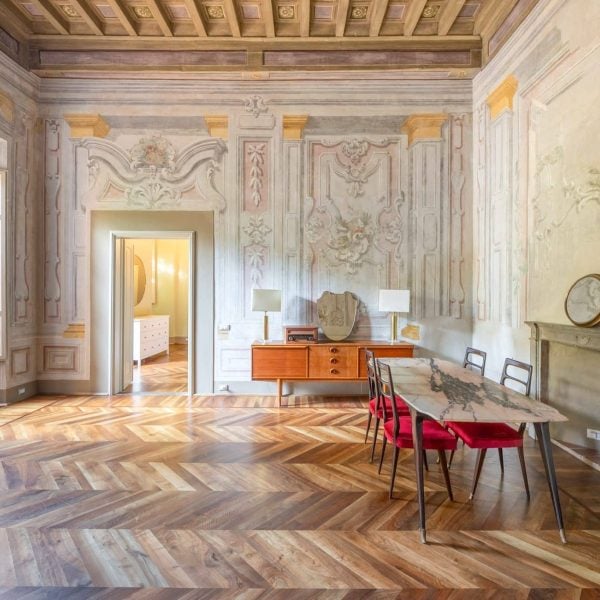
- Historic villas and heritage homes: ancient estates, noble palaces, and country houses with architectural and artistic value.
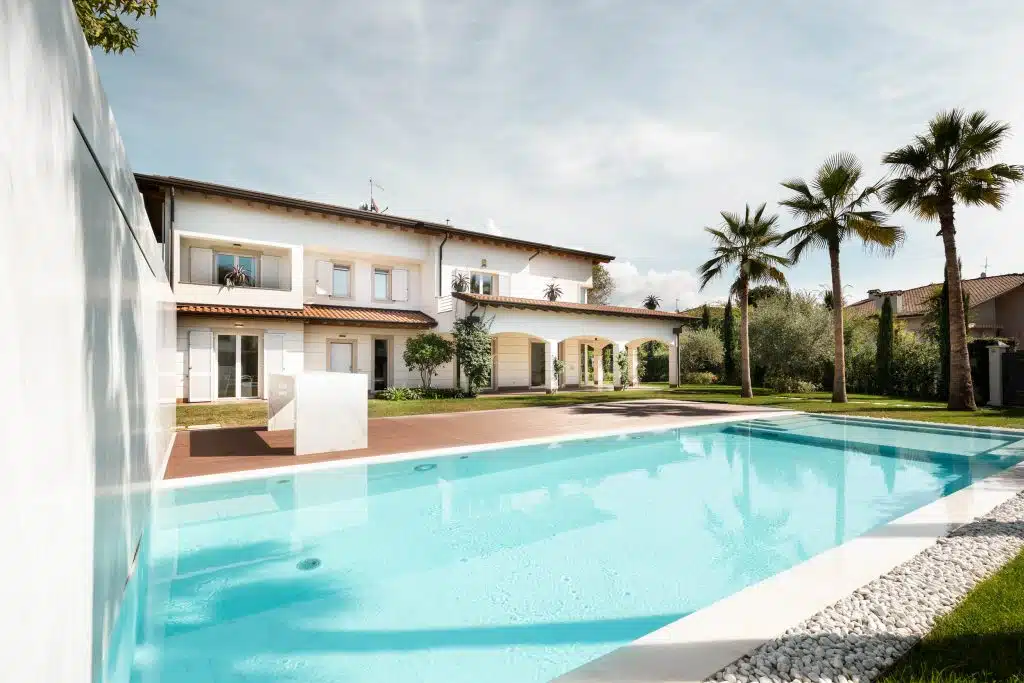
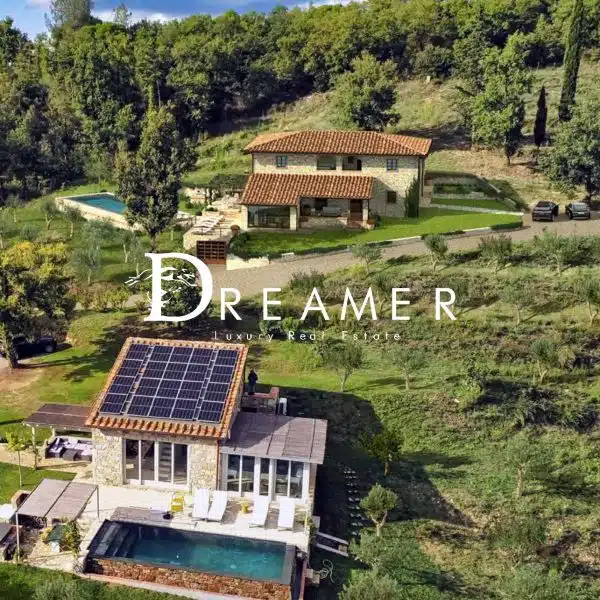
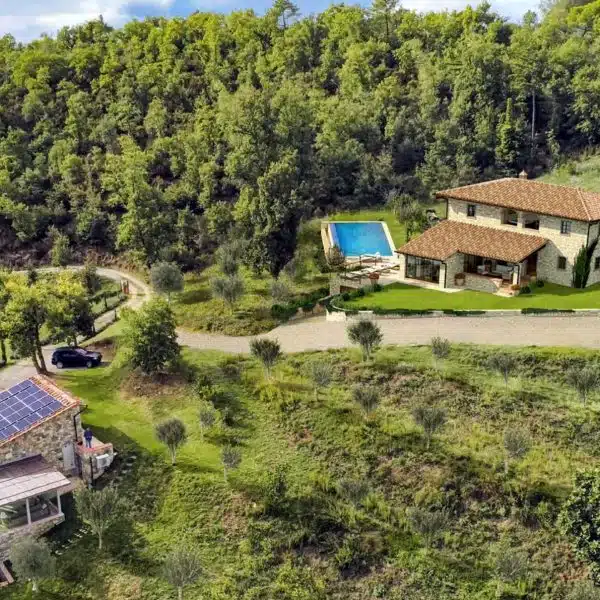
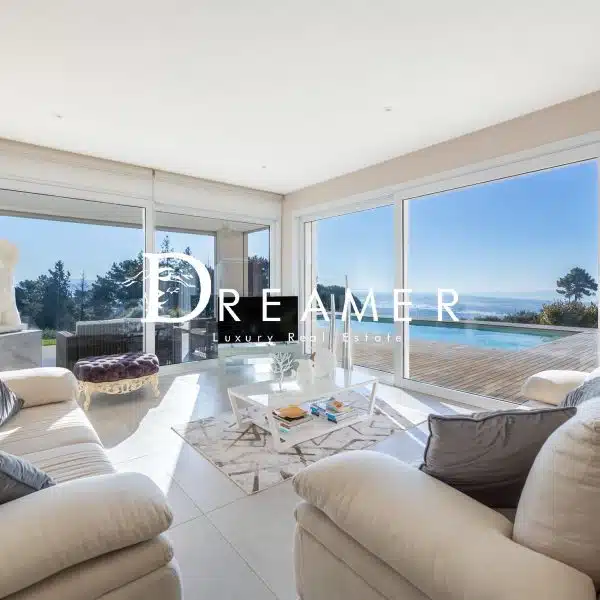
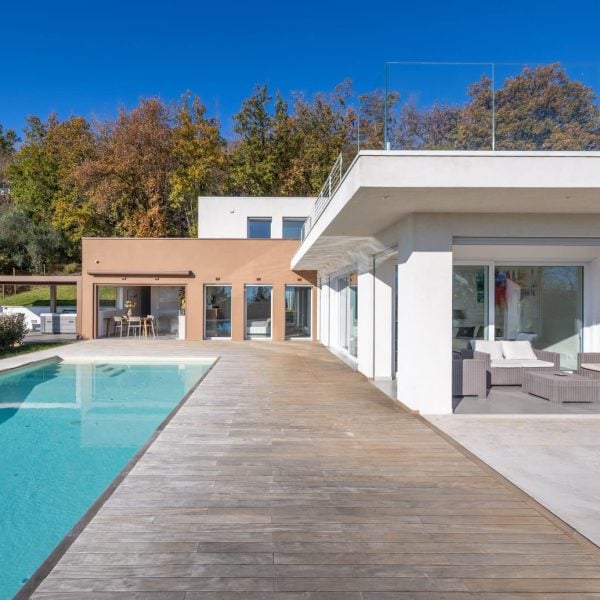
- Modern and design villas: contemporary luxury homes with open spaces, advanced technologies, and sustainable solutions.
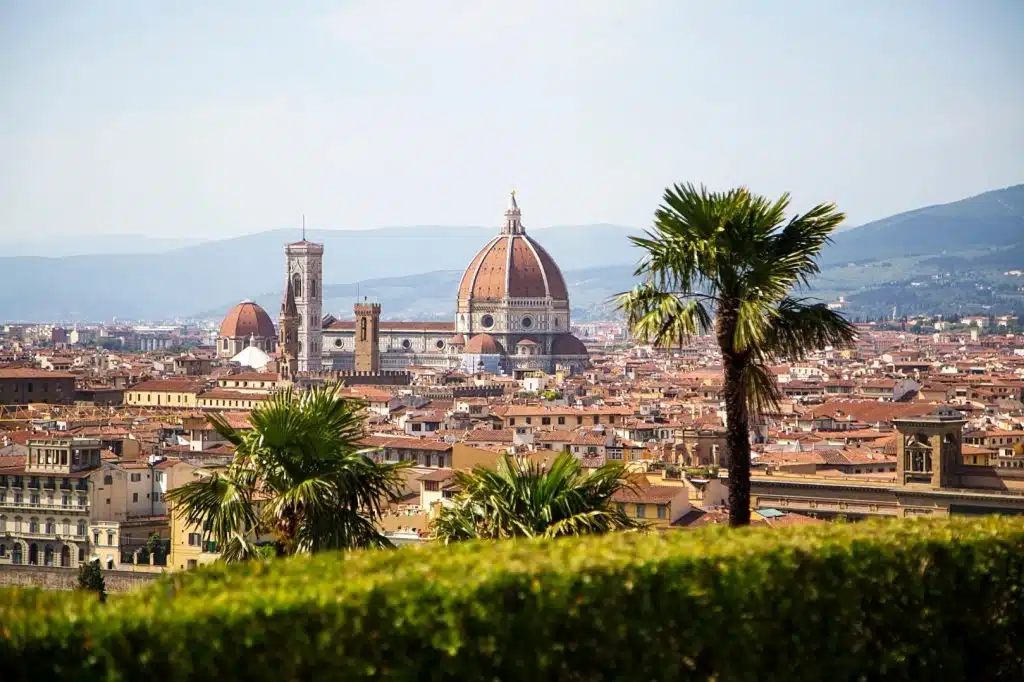
- Prime location properties: residences in Florence, Lucca, Chianti, and other exclusive areas of Tuscany, boasting strategic locations and prestige.
- Investment & hospitality properties: boutique hotels, wine estates, and luxury relais offering attractive returns through high-end tourism.
Explore our luxury property guide by Dreamer for international buyers and investors.
How to buy a luxury property in Italy?
Purchasing a luxury home in Italy follows a transparent but detailed process.
- Irrevocable purchase offer and preliminary sale agreement: includes deposit and conditions, usually notarized or mediated by an agency.
- Legal and technical due diligence: ensures compliance, a clear title, and absence of restrictions.
- Final deed of sale: officially transfers ownership.
- Registration and tax compliance: payment of relevant taxes and adherence to applicable fiscal regimes.
To learn more about the process, read our guide on How to Buy a Luxury Property in Italy.
What taxes and additional costs should I consider when purchasing a luxury property?
Beyond the property price, buyers should consider:
- Registration tax or VAT (depending on property type and seller).
- Mortgage and cadastral taxes.
- Notary and legal fees.
- Renovation or restoration costs.
Foreign investors who transfer tax residency to Italy can benefit from the flat tax regime, paying a fixed annual amount of €200,000 on foreign income.
Where to Buy a Luxury House in Italy: The Most Exclusive Locations
How Much Does a Luxury Property Cost in Tuscany?
Tuscany is one of the Italian regions with the highest concentration of luxury properties. Prices vary depending on the location, type, and historical value of the property.

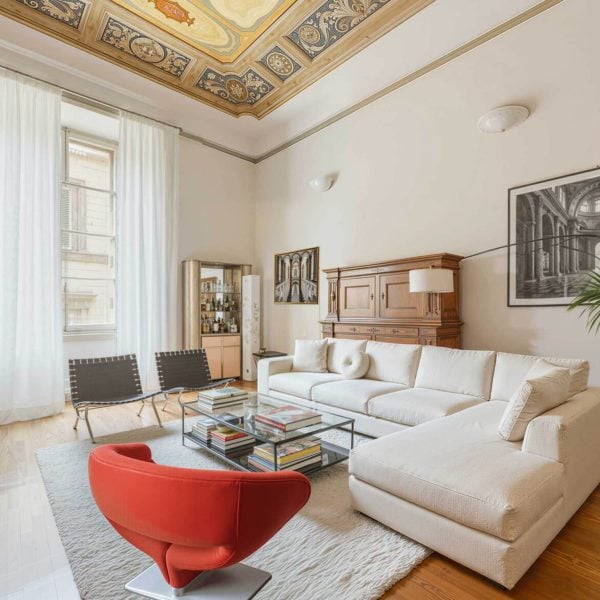
- Florence historic center: a luxury apartment in a renovated historic building can exceed €11,000/sqm, with even higher prices in iconic squares such as Piazza della Signoria or on the Arno River.
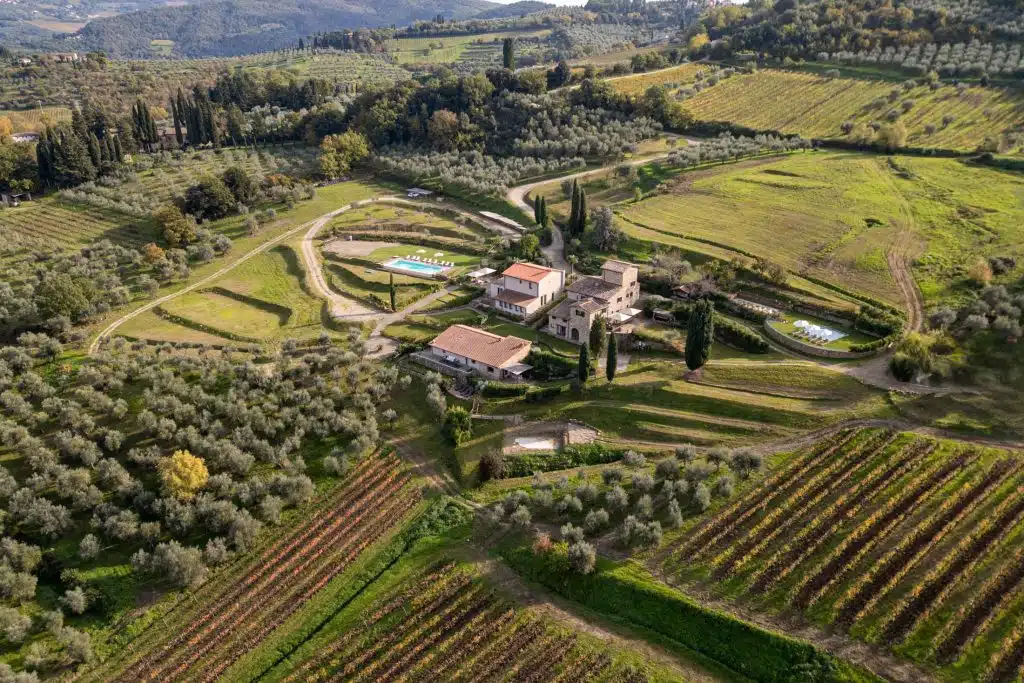
- Chianti and Florence countryside: historic farmhouses and villas surrounded by vineyards average between €4,000/sqm and €6,000/sqm, with values rising if the property includes prestigious vineyards, to over €10 million.
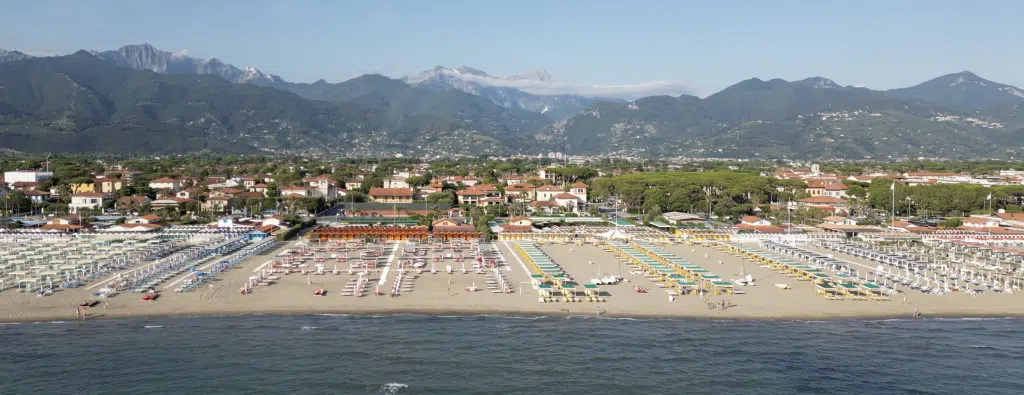
- Versilia and Forte dei Marmi: Versilia and Forte dei Marmi: prime seaside locations, where villas with gardens and exclusive sea views reach €20,000/m², making the area one of the most expensive in Italy.
- Lucca and Tuscan hills: restored country houses, heritage homes, and charming residences start at around €1.5 million, making this area a popular alternative for those seeking authenticity and privacy without compromising on an international setting.
More generally, a luxury property in Tuscany ranges from €1-3 million, but iconic properties can exceed €10 million.
Which areas are most sought after for luxury properties in Tuscany and Umbria?
The most sought-after locations combine prestige, scenic beauty, and international accessibility.

In Tuscany:
- Florence: the cultural and artistic heart of Italy, highly valued by international investors seeking prestigious apartments in the historic center or villas in the surrounding hills.
- Chianti and Val d’Orcia: estates nestled among centuries-old vineyards, ideal for those who wish to combine lifestyle and investment in the wine business.
- Versilia: locations such as Forte dei Marmi and Pietrasanta are top destinations for an international clientele, attracted by the combination of sea and exclusive lifestyle.
- Lucca and Siena: cities of art with historic mansions and charming farmhouses, perfect for those seeking authenticity.

In Umbria:
- Perugia and Assisi: historic centers and ancient villages rich in charm and properties with strong cultural value.
- Orvieto and Spoleto: medieval hamlets and surrounding countryside attracting investors seeking tranquility, privacy, and authenticity.
- Umbrian hills: panoramic villas and agricultural estates combining nature and hospitality investments.
Tuscany remains the top region for luxury real estate investments, but Umbria is growing fast thanks to international buyers who see the region as a more private but equally charming alternative.
What factors influence the price of luxury homes in Italy?
A luxury property in Italy is valued based on a combination of features.
- Location: proximity to historic city centers, panoramic views, proximity to the sea, or land with vineyards and olive groves.
- Property type: historic properties and period villas have a higher intrinsic value, especially if they are listed as cultural heritage sites.
- Condition and renovations: turnkey properties reach higher prices, while those in need of restoration attract investors looking for future capital gains.
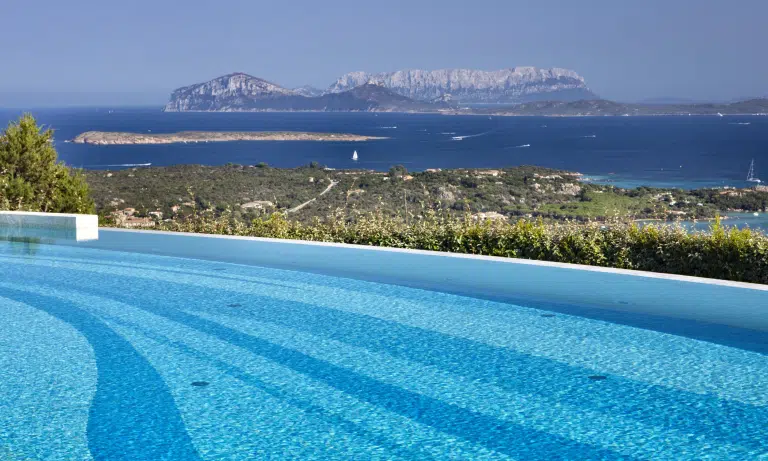
- Exclusive amenities: infinity pools, private spas, vineyards, helipads.
Tuscany vs Umbria: where to invest?
Many investors are valuing both regions for luxury real estate investments. Tuscany generally commands higher prices, driven by Florence and the coastal areas. In Umbria, prices are lower on average for properties of the same size and prestige, while offering the same scenic charm and even more unspoiled authenticity. For this reason, many international buyers choose Umbria for a more competitive purchase without compromising on an exclusive setting.
Read here how Tuscany and Umbria Captivate Real Estate Investors in 2025.
Which properties preserve their value over time?
The properties that best preserve their value in the long term are those that combine 3 features:
- Prime location: Florence, Chianti, Versilia, Perugia.
- Unique architectural and historical elements: mansions with cultural heritage, Renaissance villas, and original farmhouses.
- Constant international demand: properties appealing to the global market, attracting buyers from the US, Germany, the UK, and non-EU countries.
Investments in these categories not only withstand market fluctuations but also tend to appreciate due to the scarcity of supply.

Insights for International Investors
Why is Italy considered a safe and profitable luxury market?
Italy offers a unique mix that makes it a haven for high-spending investors. Historic villas and farmhouses in the hills are particularly appealing because they offer a La Dolce Vita lifestyle.
Buying luxury real estate in Italy means entering a market made up of:
- Cultural heritage and scenic landscape: cities of art, medieval villages, renowned coastlines, vineyards, and countryside that make properties true collector’s items.
- Resilient market: over the years, luxury properties have demonstrated a great ability to maintain their value, even in times of global economic volatility.
- Stable international demand: attracted not only by the lifestyle, but also by the possibility of diversifying assets.
- Limited supply: scarcity of unique properties and trophy assets, especially in prime areas, ensures that demand consistently exceeds offer, keeping prices high.
What are the key real estate investment opportunities?
The Italian lifestyle is considered an investment asset, with cuisine, art, fashion, tradition, and quality of life making Italy a premium lifestyle destination. From seaside villas to country farmhouses, apartments in ancient buildings, and historic villas, Italy offers a variety that few other markets can boast.
Italy has also introduced a series of tax breaks to attract high-net-worth individuals and international investors. Among the most significant is the flat tax.
Dreamer Real Estate: Your Partner in Luxury Investments
Didn’t find all the answers you were looking for? Check out our FAQ Area and learn about the Italian luxury real estate market.
To navigate procedures, taxation, and valuation strategies, trust those who have in-depth knowledge of Italian luxury real estate. At Dreamer, we are ready to guide you through the buying and selling process with expertise and confidentiality, and help you find the perfect investment.