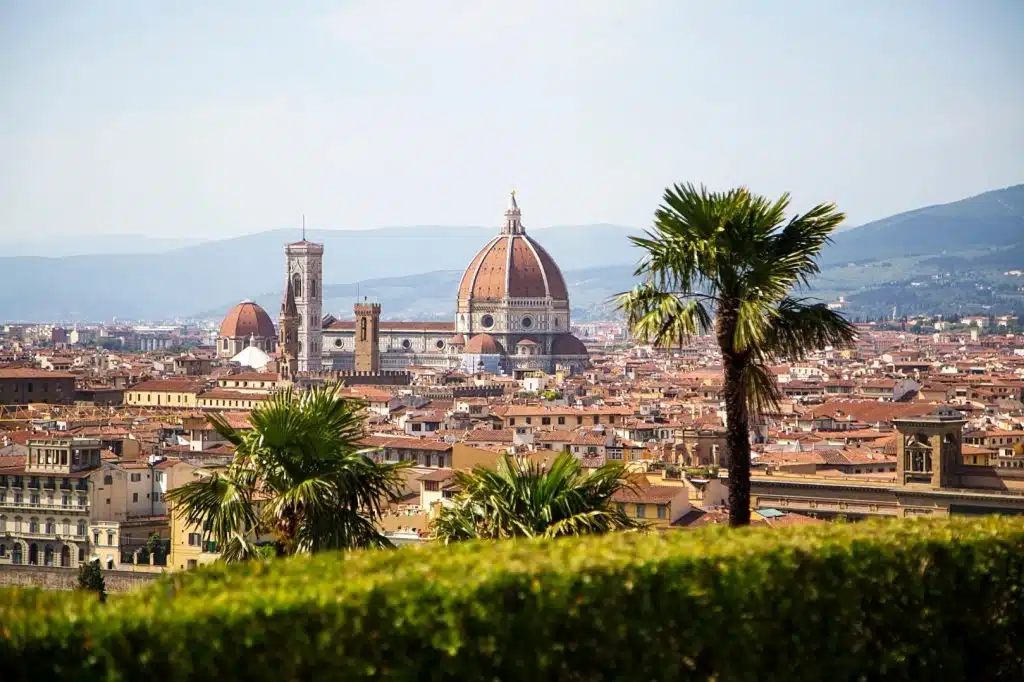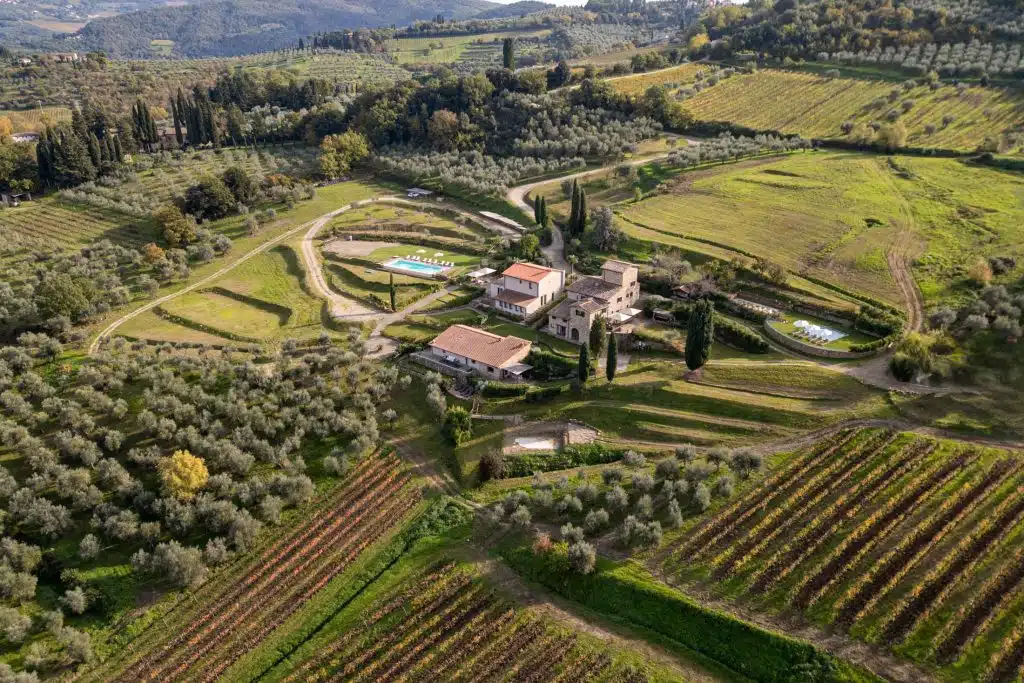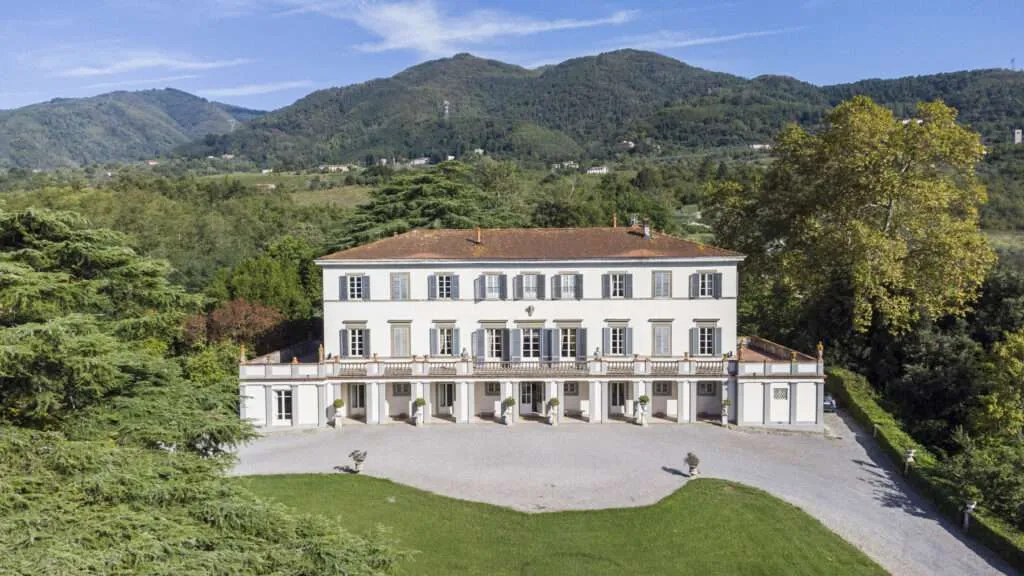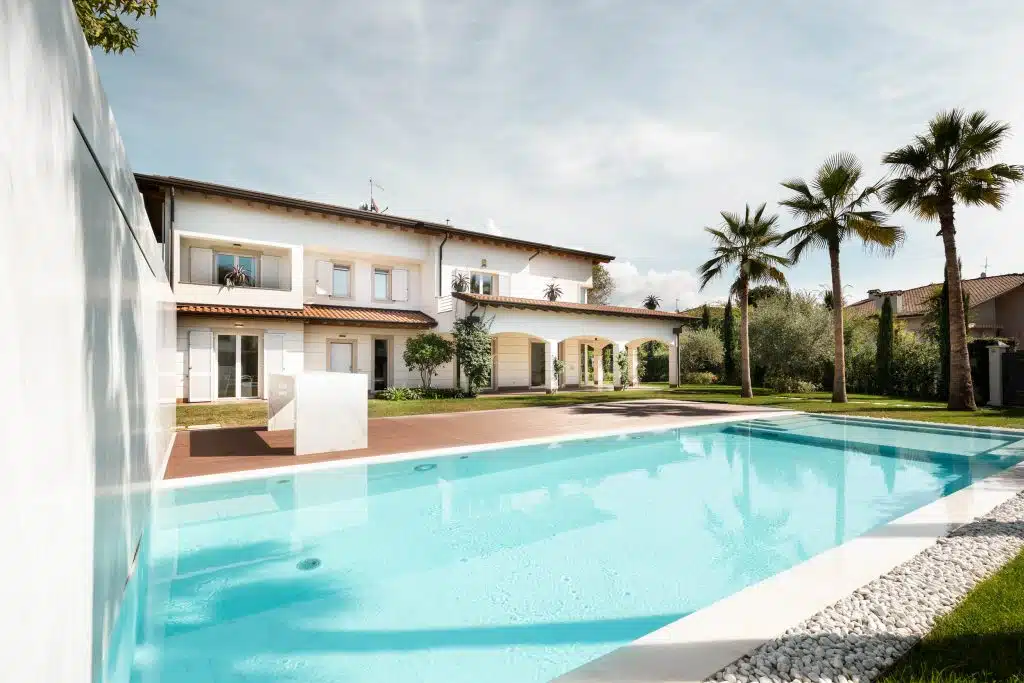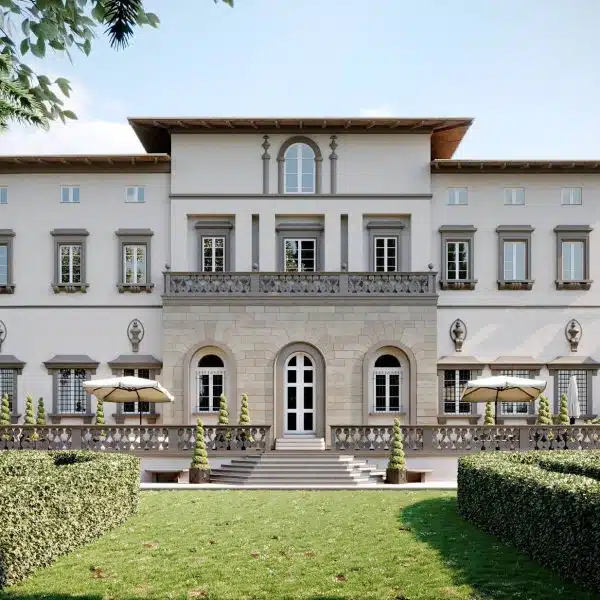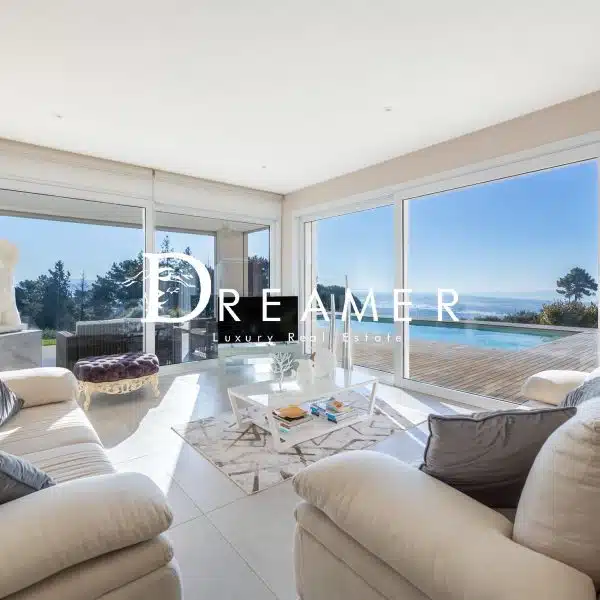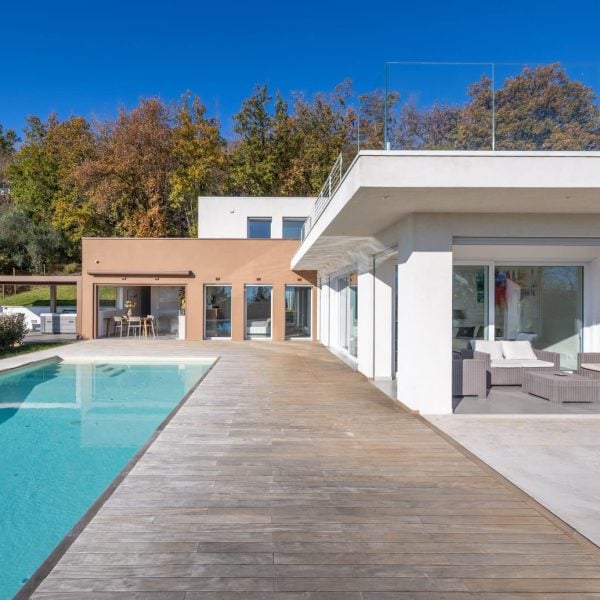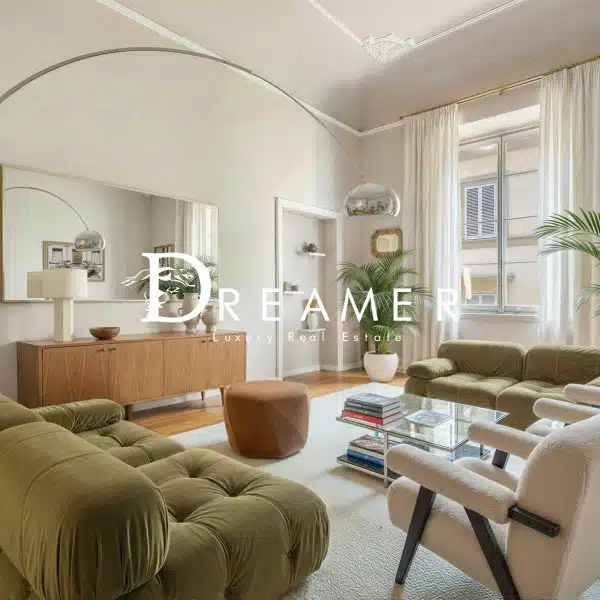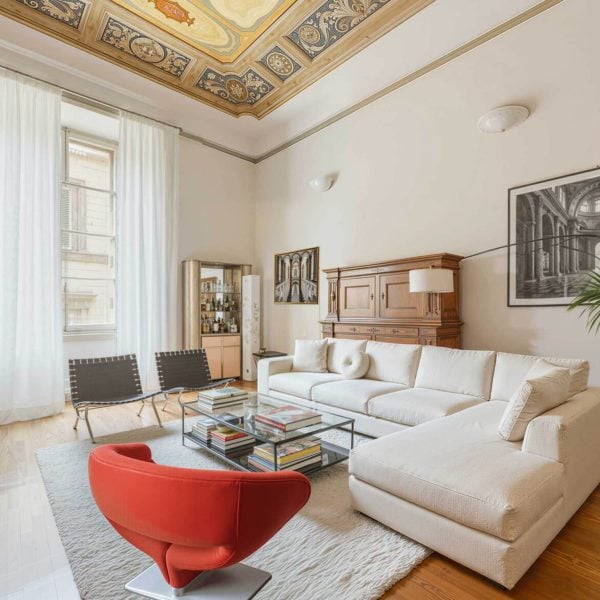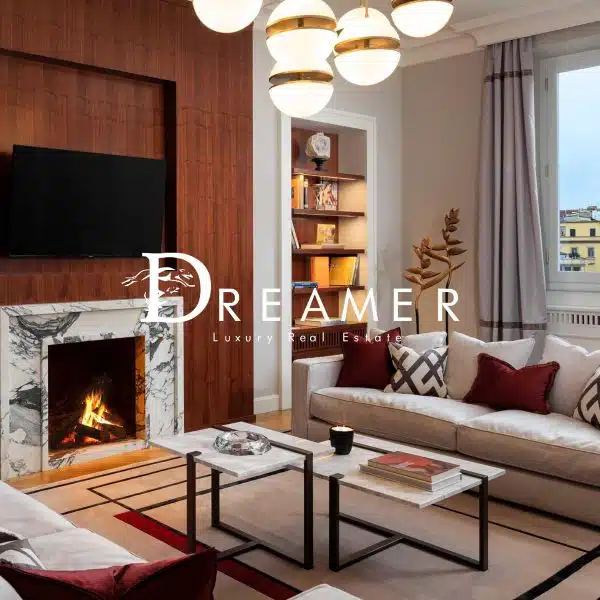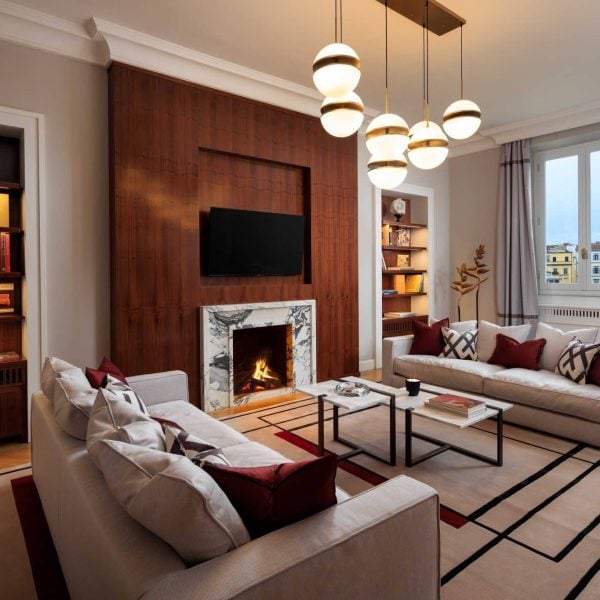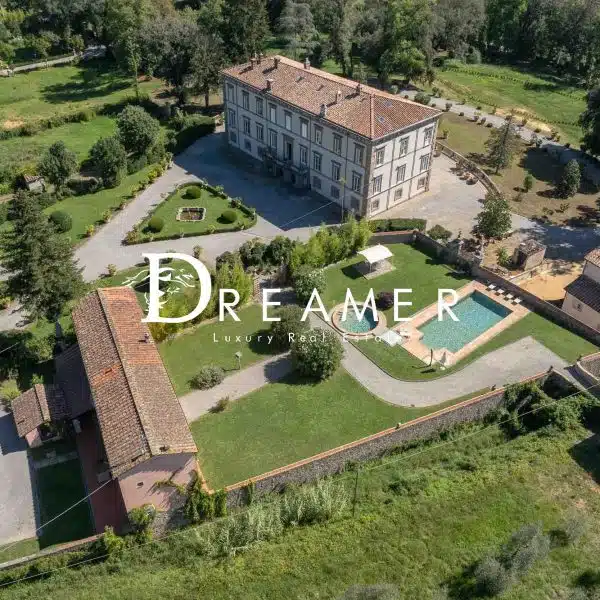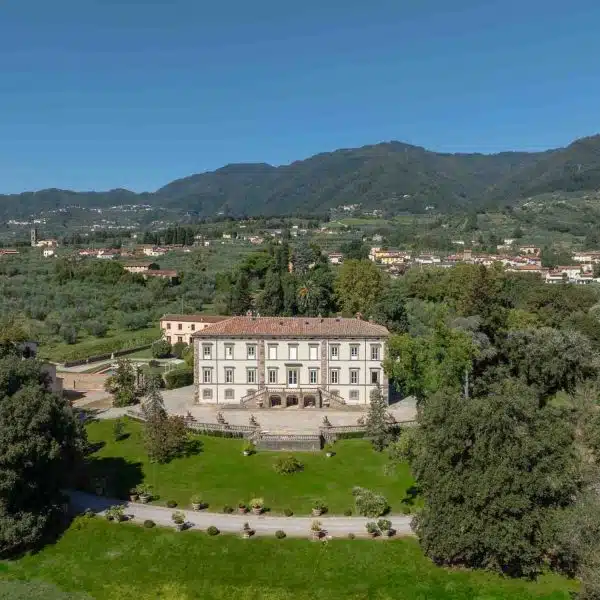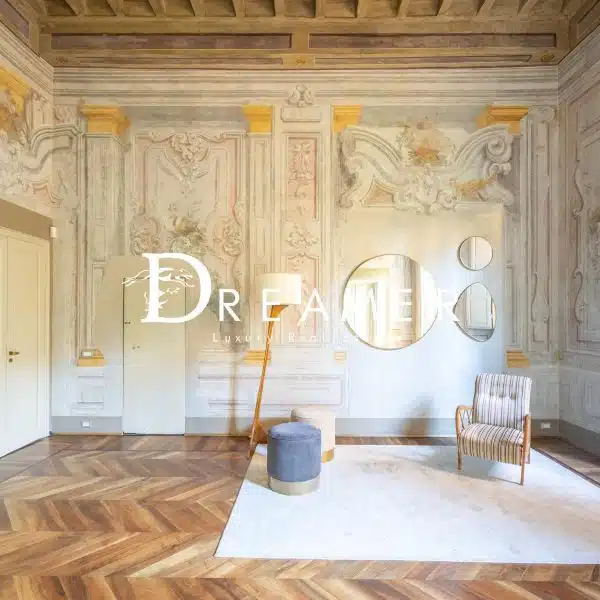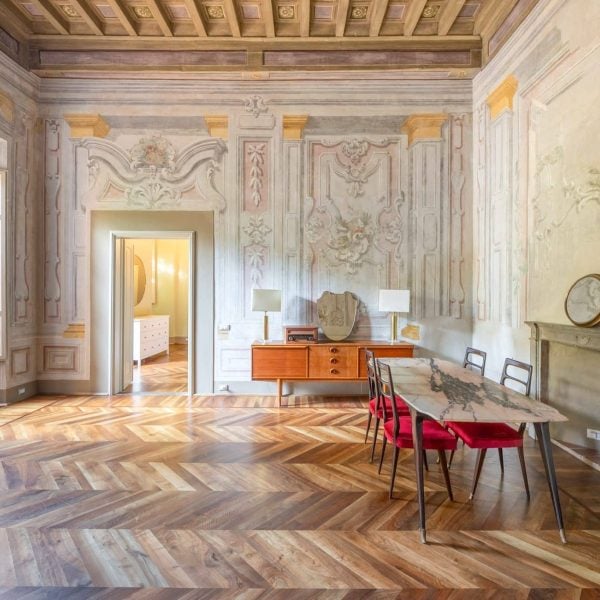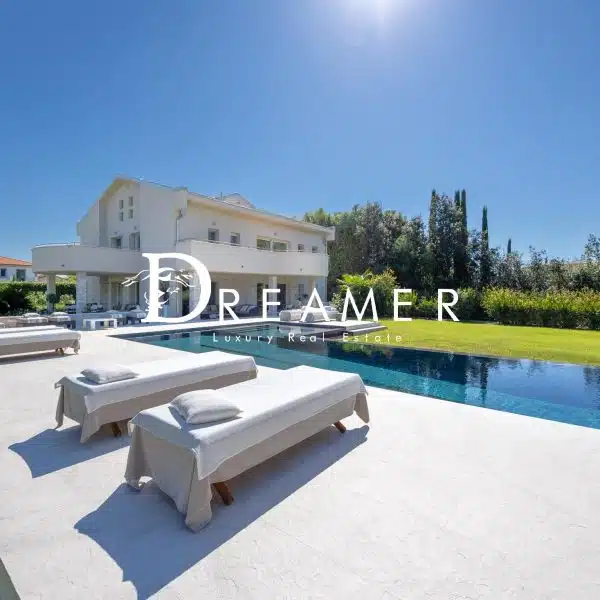


In the luxury real estate market, buying a luxury home is driven by vision and purpose. Whether it is a personal residence nestled in Florence’s Renaissance beauty, an estate in the Tuscan countryside as a family retreat, or a strategic investment focused on generating income through high-end rentals, defining your goal is the first step to acquiring a prestigious property in Italy.
Check out our Guide to Buying a Luxury Property in Italy for a detailed overview of the buying process.
Luxury Properties Types in Italy: What to Look for and Where
Italy offers various settings, each with unique qualities also defining the investment nature. Understanding each context’s value is essential to orienting the choice.
Read here our Guide to the Cadastral Classification of Luxury Properties.
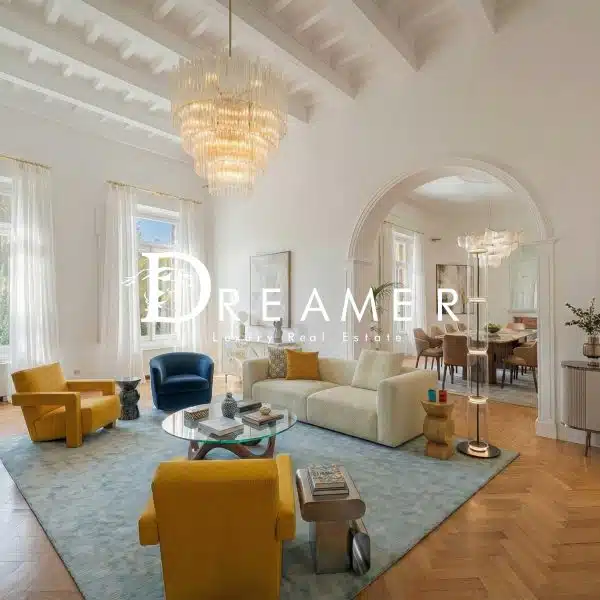
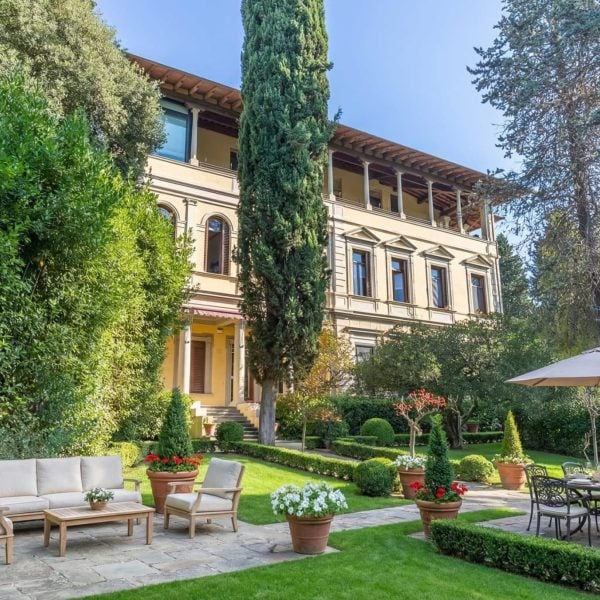
Historic City Center Properties: Florence, Lucca, Siena
Luxury homes in Tuscany’s historic city centers are distinguished by their priceless cultural and architectural significance:
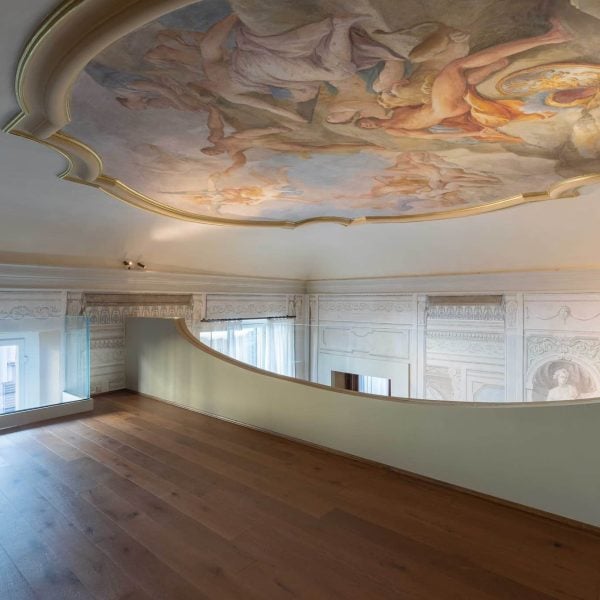
- Heritage palaces with original frescoes and stone details
- Luxury apartments with panoramic terraces overlooking monuments
- Renovated penthouses in protected heritage buildings

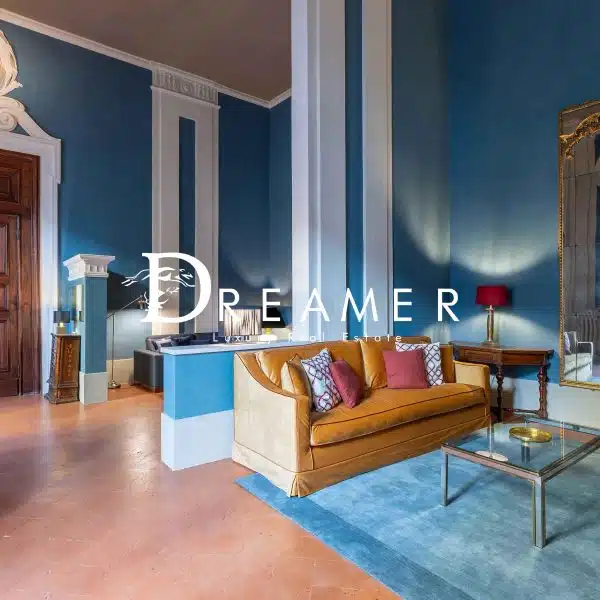
These timeless mansions attract steady international demand, making them ideal both as lifestyle assets and investment properties. Perfect for those seeking to live immersed in art and history, or as a unique second home in world-renowned cultural destinations.
Discover how to enhance the value of these residences in our Dreamer Magazine’s article: The Renovation of Historic Villas – Design and Innovation in Luxury Mansions.
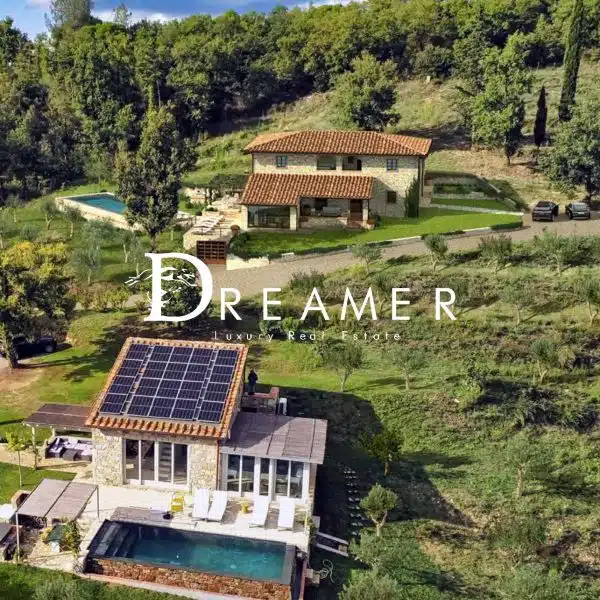
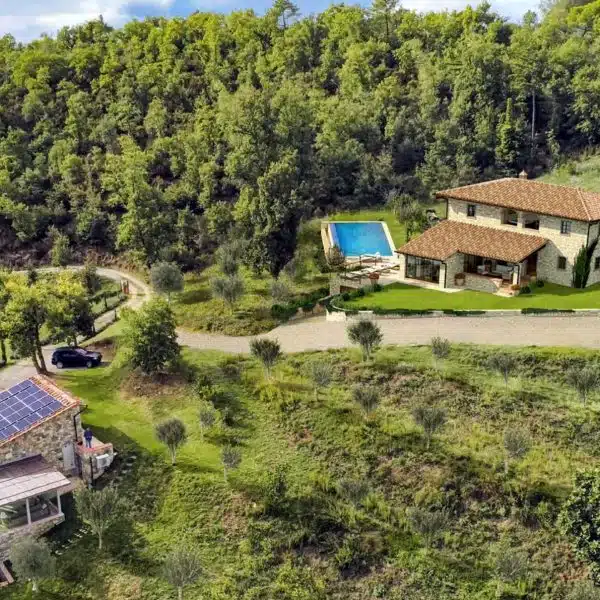
Country Villas and Estates in the Tuscan Countryside: Chianti, Val d’Orcia, and Maremma
The Tuscan countryside is all about rural living and authenticity. The most sought-after luxury properties include:
- Villas and country homes with vineyards and olive groves
- Restored hamlets or stone farmhouses with high-end finishes
- Historic estates with private chapels and Italian gardens

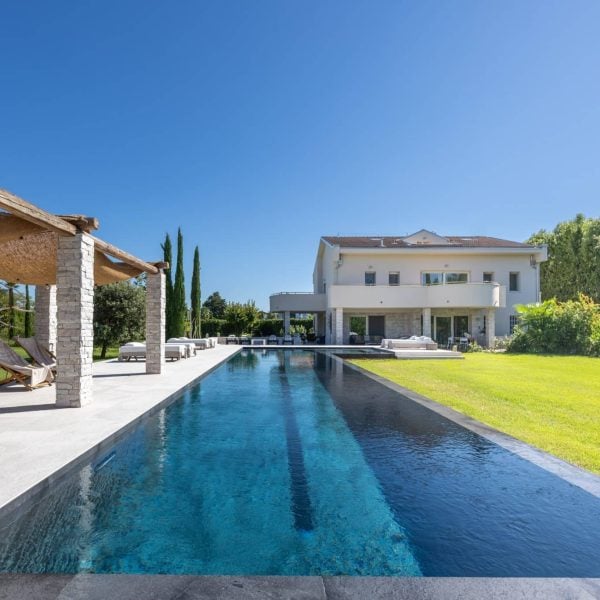
Offering privacy and direct contact with nature, these luxury homes feature generous spaces, infinity pools, and customization opportunities. Ideal for those seeking tranquility, or for developing hospitality projects like boutique hotels, luxury farmhouses, or wine resorts.
Learn more on the Back to Country Life Trend.
Luxury Villas By The Sea in Tuscany: Versilia, Forte dei Marmi, and Argentario
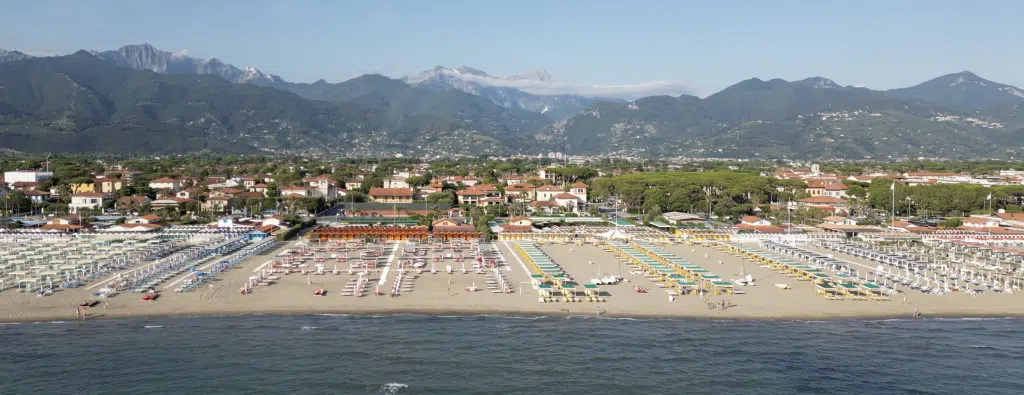
If you are seeking a seaview house, the Tuscan coast reserves exclusive locations amid crystal clear waters and absolute privacy.
- Beachfront villas with private beach access
- Properties with private docks
- Seafront penthouses in iconic locations

With high-end services (yacht clubs, spas, Michelin-starred dining) and proximity to private airports, this area is especially appealing to international buyers seeking a sophisticated summer haven in Italy.
Take a look here at The Most Glamorous Luxury Villas by the Sea in Tuscany.
Essential Documents for Buying a Luxury Home: 5 Key Steps
Once you’ve identified your preferred investment type, location, and property style, it’s time to address the necessary documentation.
1. Property Documentation Review: A Due Diligence Art
Buying a luxury home in Italy requires a complete analysis of technical, legal, and urban planning documents. This process, known as due diligence, is essential to ensure the investment’s security, especially when dealing with heritage mansions or properties subject to landscape or architectural restrictions.
Documentation Checklist
- Property deed and ownership history
- Floor plans and cadastral compliance
- Building permits and certificate of habitability
- Energy Performance Certificate (APE)
A multidisciplinary team (legal, notary, and technical advisors) can identify potential issues early and ensure a secure transaction.
2. Tax Aspects and Purchase Setup
Italy offers a competitive tax framework for international investors, including recent incentives and tax regimes.
We described these in detail in our articles in Dreamer Magazine:
Purchase Options: Individual, Company, or Trust
Purchase legal form should be chosen according to the asset strategy:
- Individual buyer: ideal for residential or vacation homes, with simplified tax rules.
- Company or Corporation purchase: suitable for income-generating investments, with stricter regulations.
- Family Trusts or Foundations: useful for wealth protection and estate planning.
Preliminary planning handled by a family office or international legal firm ensures maximum efficiency and security.
Purchase Taxes
- Registration, mortgage, and cadastral taxes (vary by property type and intended use)
- VAT (only if purchasing from a developer)
- Annual property taxes (IMU), except for primary residences (unless classified as luxury)
3. Negotiation and Formal Offer
In the luxury market, negotiation time is never just about price. It is a delicate step that also requires respect for the intrinsic value of the property.
How Does the Formal Offer Work?
The offer is formalized through:
- Letter of Intent (LOI): expresses binding or non-binding interest
- Irrevocable purchase proposal: typically includes a security deposit
- Suspensive clauses (e.g., mortgage approval, urban planning checks)
The consultant’s role is to coordinate every detail discreetly, ensuring a smooth, transparent, and respectful negotiation.
4. The Preliminary Contract
The preliminary sale and purchase agreement is a key step in buying a luxury property in Italy. It is a legally binding agreement that precedes the deed, and in which the parties establish all the essential terms of the transaction.
This is what a well-structured compromise contains:
- Parties and property details
- Agreed price and payment terms
- Date and conditions for the final deed
- Any suspensive clauses (e.g., permits, loans, remediation)
- Reference to planning and cadastral documentation
The buyer pays a confirmation deposit (usually 10-30% of the price), forfeited if they withdraw without justification. Legal and notarial guidance is crucial at this stage, in coordination with your real estate agency, to safeguard your interests.
5. The Notarial Deed: Transferring Property Ownership
The final deed marks the official transfer of ownership. This public deed is signed before a notary, who acts as an impartial public officer and ensures:
- Legitimacy of the transaction
- Absence of liens or mortgages
- Proper registration with the Real Estate Records
The buyer has the right to choose the notary, who coordinates all necessary documentation prior to the appointment, in cooperation with the real estate agent and consultants involved.
What Happens on the Final Deed?
- Both parties sign the deed before the notary (or via proxy for international buyers)
- Final payment and taxes are settled
- The notary registers the transaction with the Land Registry and Cadastral Office

For international clients, Dreamer assists with powers of attorney, document translation, and related tax formalities.
Buying a Luxury Home in Tuscany: Find Your Dream Home with Dreamer
Buying a prestigious property in Italy is an act of vision, elegance, and lifestyle. From selecting the perfect location to signing the final deed, every step deserves expert attention and impeccable service.
Dreamer Real Estate guides clients through this journey with professionalism and discretion, transforming each transaction into an exclusive, seamless, and fulfilling experience.
Ready to find your dream home in Tuscany? Let Dreamer guide you every step of the way. Our team of experts supports you throughout the entire buying process: explore our services and make your move to Italy seamless and stress-free.