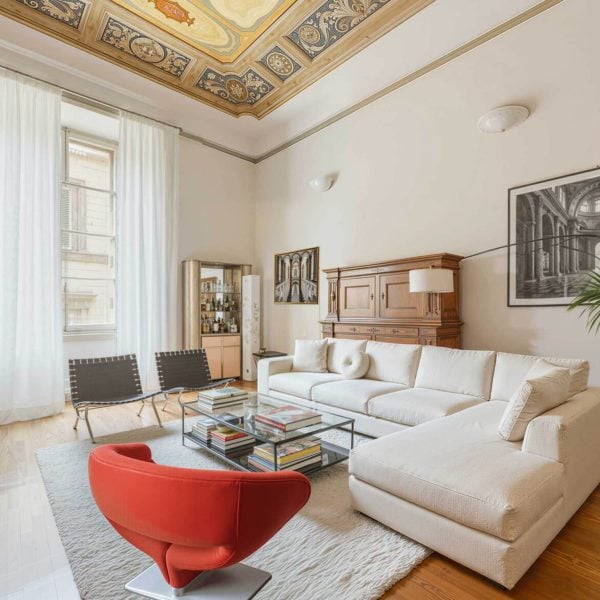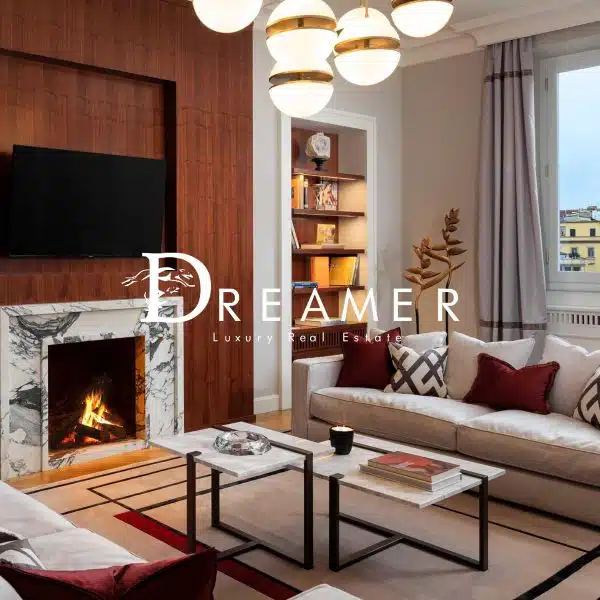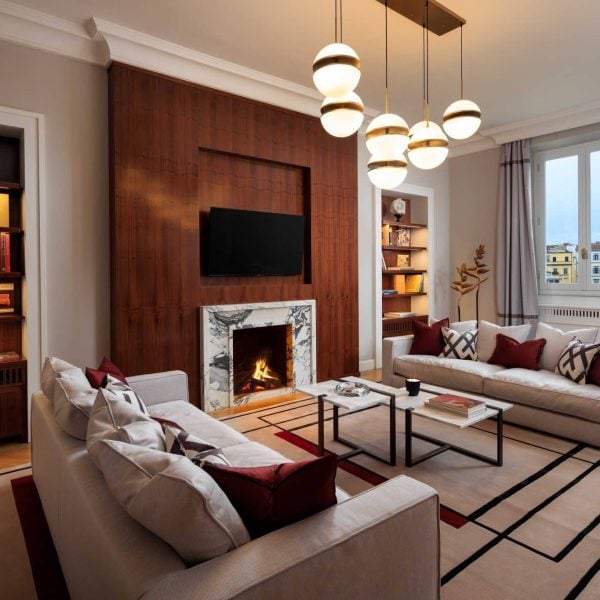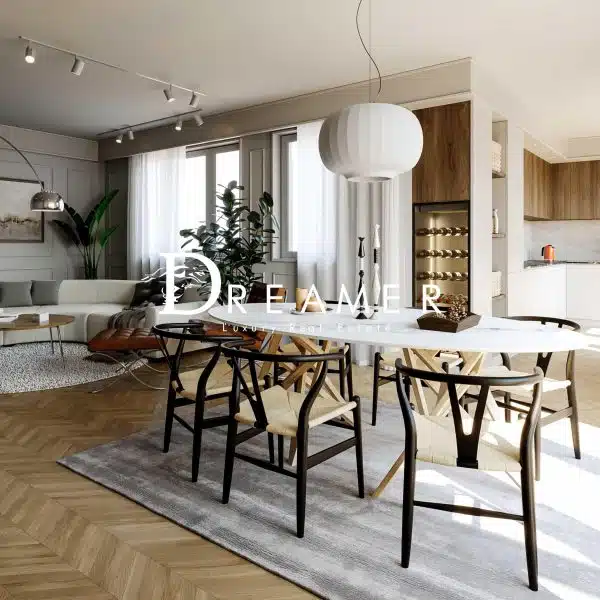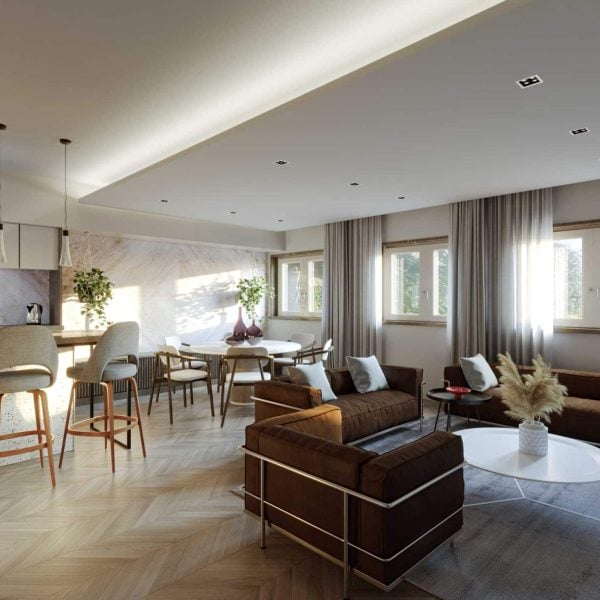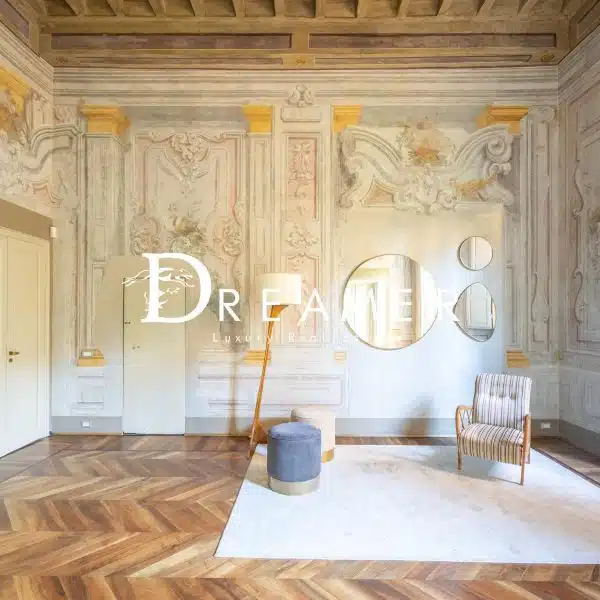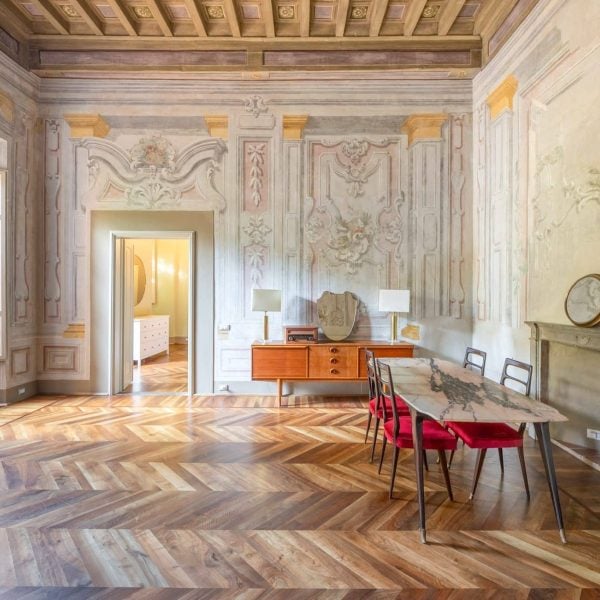


Luxury properties are homes that are distinguished by architectural, historical, and valuable features, as well as superior amenities and services compared to ordinary homes. These homes are often located in prestigious locations and include properties such as villas, castles, historic mansions, and apartments in buildings of great artistic or architectural value.
Cadastral Categories of Luxury Real Estate
In Italy, luxury homes are classified cadastrically to determine associated taxes and fees. The main cadastral categories that identify these properties are A1,, A8 and A9.
Each category has specific characteristics that distinguish it. Let’s see together what they are, how they differ, and investment opportunities.
Category A1: Manor Houses
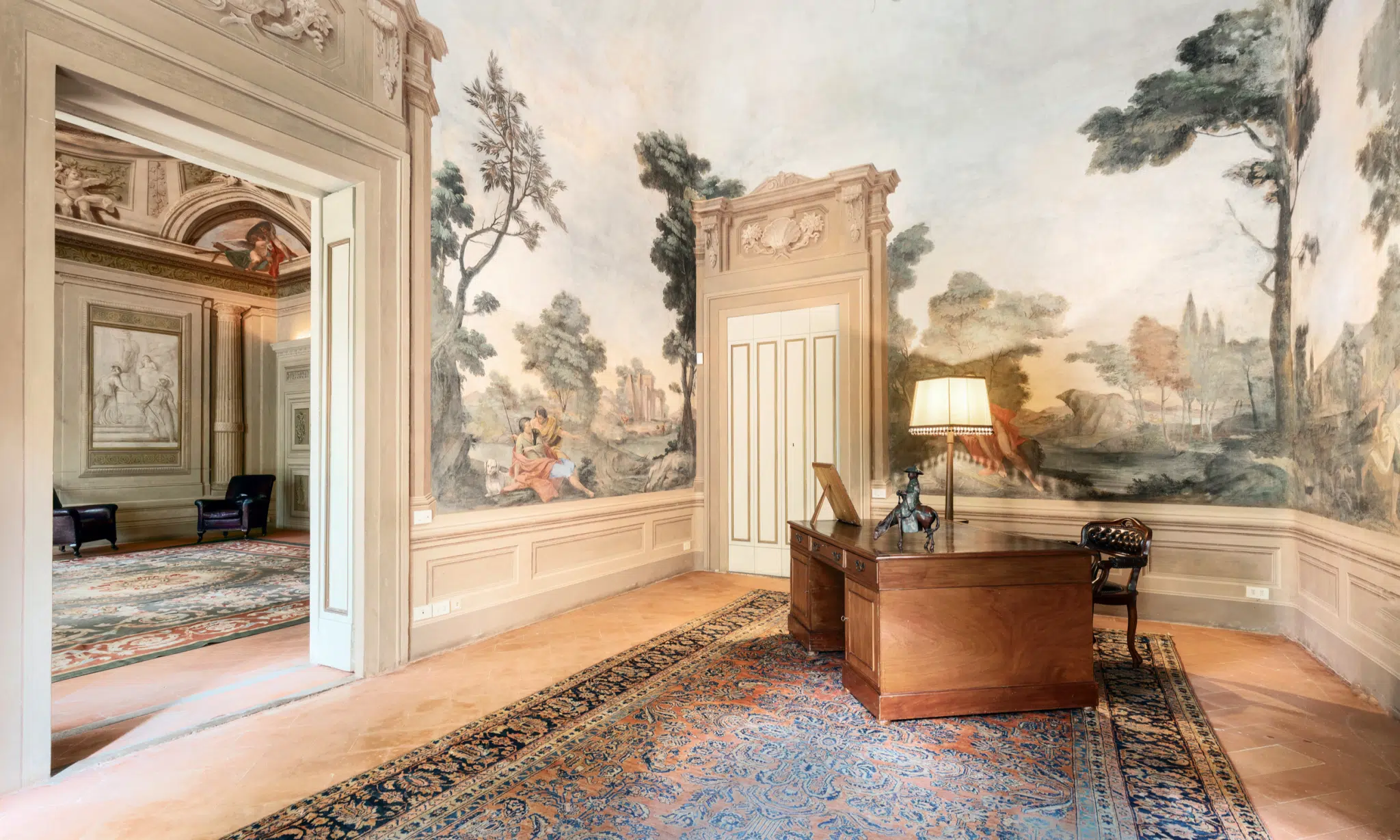
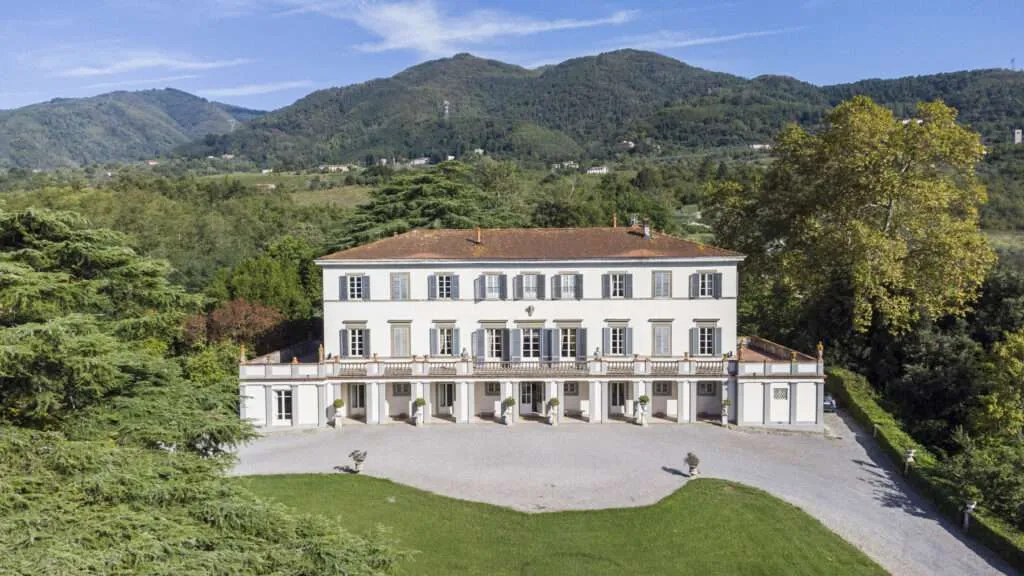
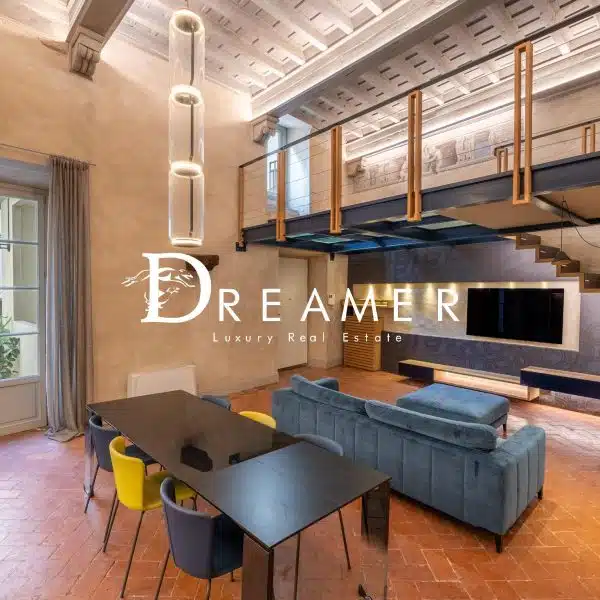
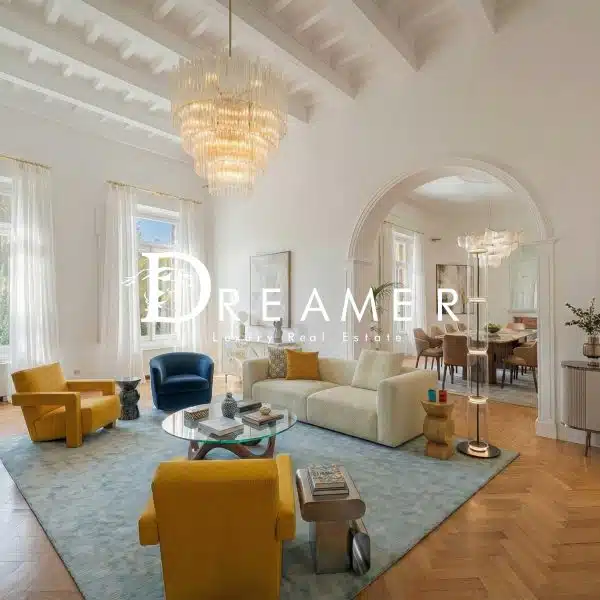
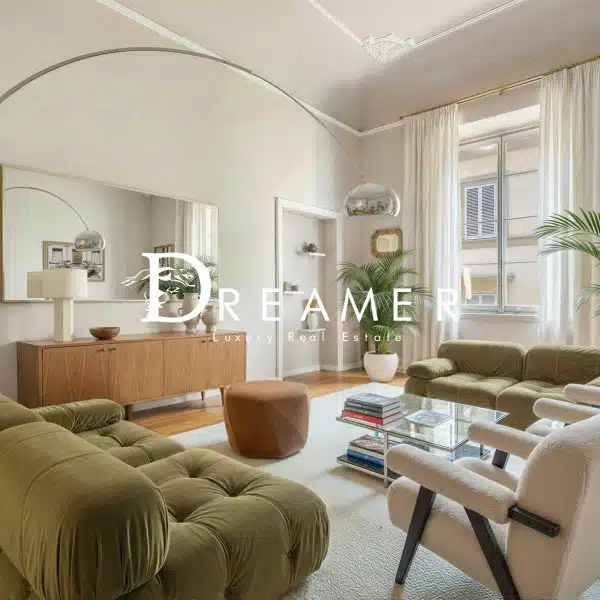
Category A1 includes stately homes. These properties are characterized by high architectural merit, luxury finishes and large square footage. Usually located in central city areas, these properties include:
- Flooring in fine materials such as marble or parquet.
- Interior heights above 3 meters.
- Presence of elevator and concierge service.
- Advanced security systems.
- Gardens or terraces with panoramic views.
In the world of luxury real estate, the cadastral category A1 includes a number of significant advantages for owners, especially when it comes to leases. One of the main benefits is the freedom to enter into leases without having to comply with standard rents stipulated for other property types. This means that A1 homeowners can freely negotiate the rent, tailoring it to the actual value of the property and the needs of luxury customers.
In addition, the absence of restrictions on the duration and amount of contracts allows for more flexible and personalized rental management, making these properties particularly attractive to both investors and leaseholders looking for exclusive properties.
This aspect, combined with the prestige and prime location of stately homes, makes the A1 category an ideal choice for those who wish to maximize the value of their investment property.
Category A8: Villas
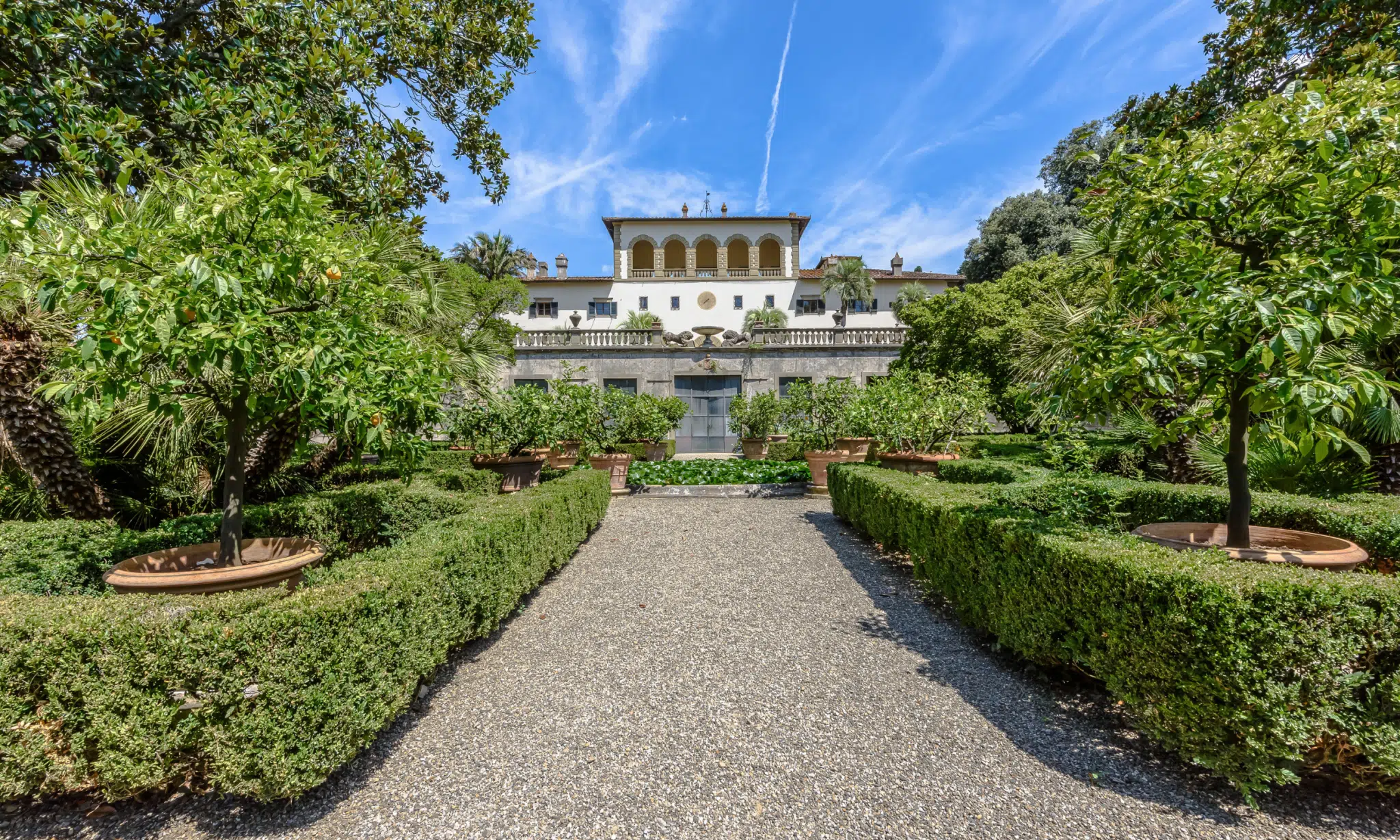
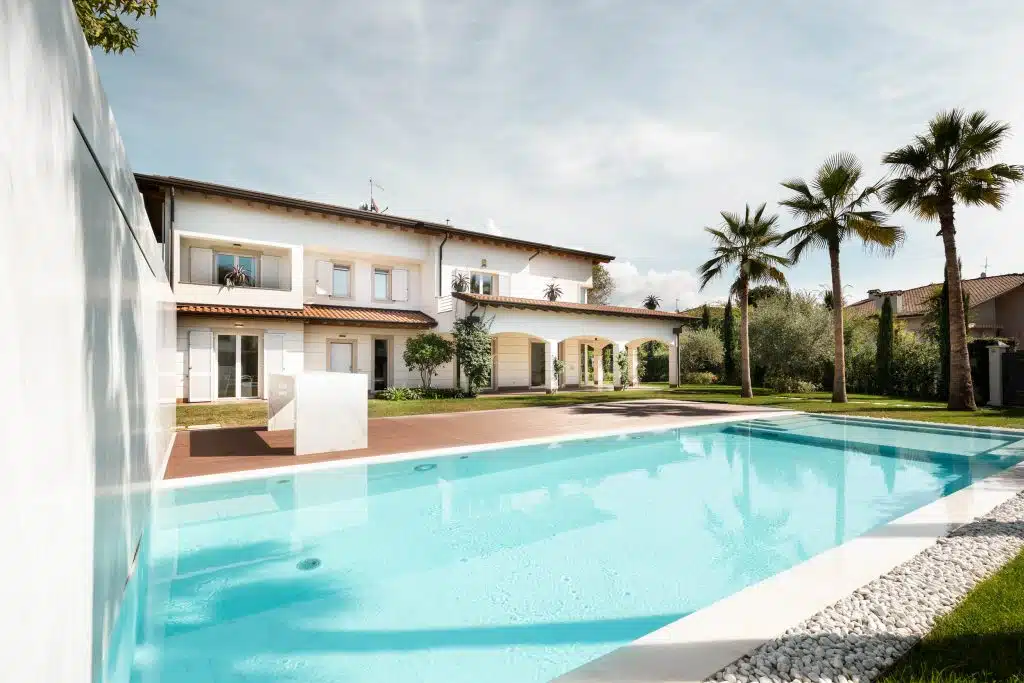
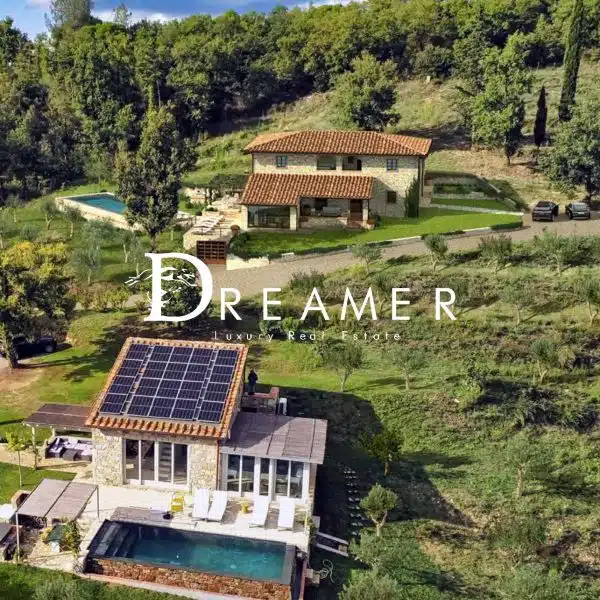
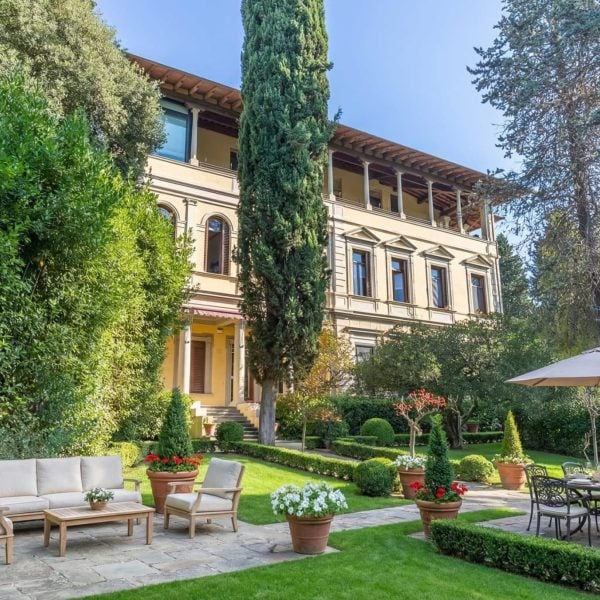
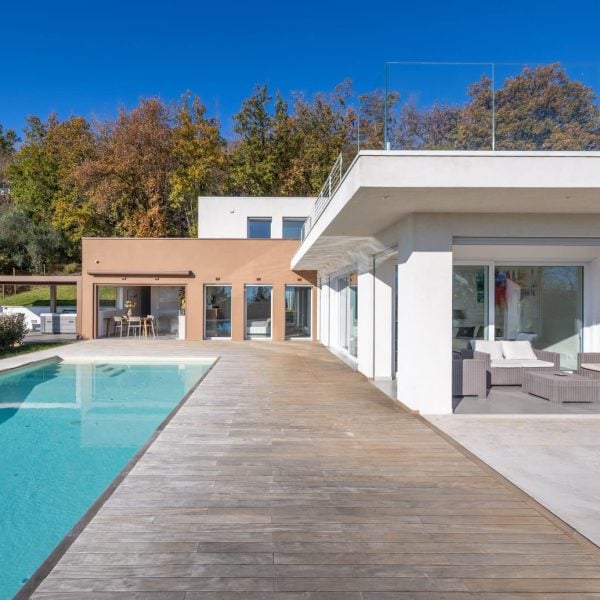
The A8 category includes luxury villas, which represent excellence in terms of prestigious housing. These properties are usually large in size and are located in exclusive settings such as scenic hills or along the coast. The distinguishing features of A8 villas are:
- Large indoor and outdoor square footage.
- Private swimming pools and sports facilities.
- Large park or garden.
- High-level architectural design with fine materials.
- Additional services such as spa, sauna and fitness rooms.
The cadastral category reserved for villas offers a number of advantages that make it particularly attractive in the luxury real estate business. One of the main benefits is the ability to manage these properties without the rigid constraints imposed on other housing categories. Villas classified as A8, in fact, enjoy greater flexibility in both managing leases and setting rents, similar to stately homes in the A1 category.
In addition, A8 villas, due to their often isolated setting and the presence of large private green spaces, offer a level of privacy and tranquility that is difficult to replicate in other properties. This aspect makes them extremely attractive to a luxury clientele, who can thus benefit from such privileges.
In terms of investment, A8 villas also tend to maintain or increase their value over time, thanks to the combination of unique architectural features, exclusive locations, and ample surrounding land.
And there’s more. The A8 category allows owners to enjoy greater autonomy in property management, allowing the installation of swimming pools, sports fields and other facilities without incurring the typical limitations of urban areas. These elements make luxury villas not only a prestige residence, but also an investment opportunity with high and steady return prospects.
Category A9: Castles

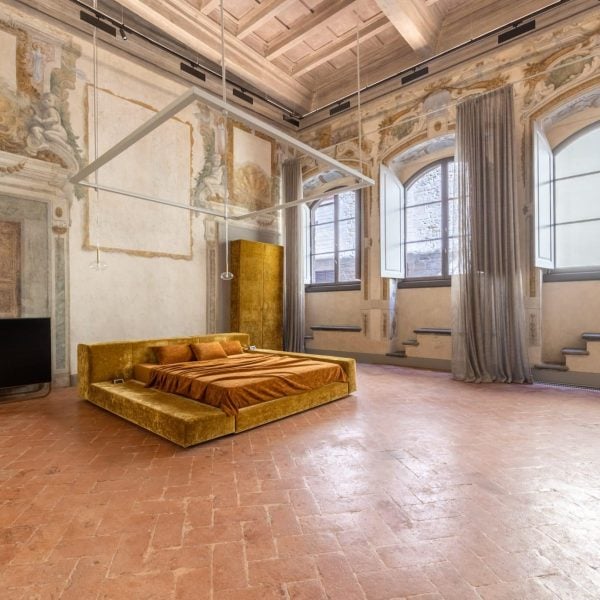
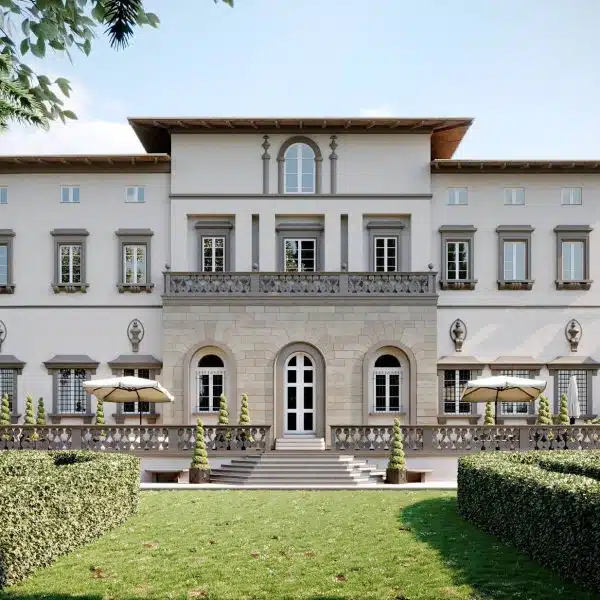
Cadastral category A9 refers to castles and palaces of eminent artistic or historical value. These properties are classified as luxury properties not only because of their size and structural features, but also because of their historical and cultural value.
Castles and palaces included in the A9 category often boast unique architectural details, frescoes, artwork, and materials of the highest standard, setting them apart from other cadastral categories. These buildings can be located in both urban and rural settings, but what they have in common is their status as historic or artistic monuments.
The cadastral category, which includes castles, historic mansions, and residences of special artistic value, offers unique advantages in the context of luxury real estate. These properties, due to their historical and architectural significance, not only represent a symbol of prestige and luxury, but also offer investment opportunities that go beyond mere real estate value.
In addition, properties in the A9 category may qualify for tax incentives, especially if they are notified by Belle Arti as cultural property of historic or artistic interest. This can include concessions for restoration and maintenance, which not only preserve the value of the property but also increase its attractiveness in the market.
This is especially relevant in cities like Florence, where many of the luxury properties fall into this category. When a property is notified by Belle Arti, owners can take advantage of a 50 percent IMU reduction, a significant benefit that applies not only to properties in category A9, but also to those classified as A1 (stately homes) and A8 (villas and luxury properties).
From an investment perspective, A9 category assets have a strong capacity for appreciation over time due to their rarity and the growing demand for historic and luxury properties. Owning a historic castle or palace is not only a sign of prestige, but also a solid guarantee of future returns, both in terms of asset value and as a source of income through high-profile rentals or exclusive events.
Requirements for Luxury Properties

Regardless of cadastral category, luxury mansions share some common characteristics:
- Prestigious location. Located in areas of great scenic, historical or cultural value.
- Architectural design. Designed by renowned architects and built with high-quality materials.
- Exclusive amenities. Equipped with amenities such as swimming pools, gardens, private parking, and advanced security systems.
- Advanced technologies. Often integrate modern technologies for climate control, security, and energy efficiency.
- Historical or artistic value. Many luxury properties represent true historical residences, with great historical or artistic value that increases their prestige in the market.
The cadastral classification of luxury homes is critical to correctly identifying and valuing these properties. Understanding the A1, A8, and A9 categories and their distinctive characteristics allows buyers to make informed choices and investors to better assess the potential of these prestigious homes.
Check out our guide to buying luxury real estate in Italy.
When is a Property considered “Luxury”?
When it comes to luxury real estate, classification is not based solely on tax or cadastral parameters. In fact, a property is also considered “luxury” because of a number of features that distinguish it in terms of quality, comfort, and prestige. These aspects may include prime location, ample size, high-end finishes, presence of exclusive amenities, and harmonious integration with the surrounding context.
Exclusive Services and Comforts in Condominium Contexts
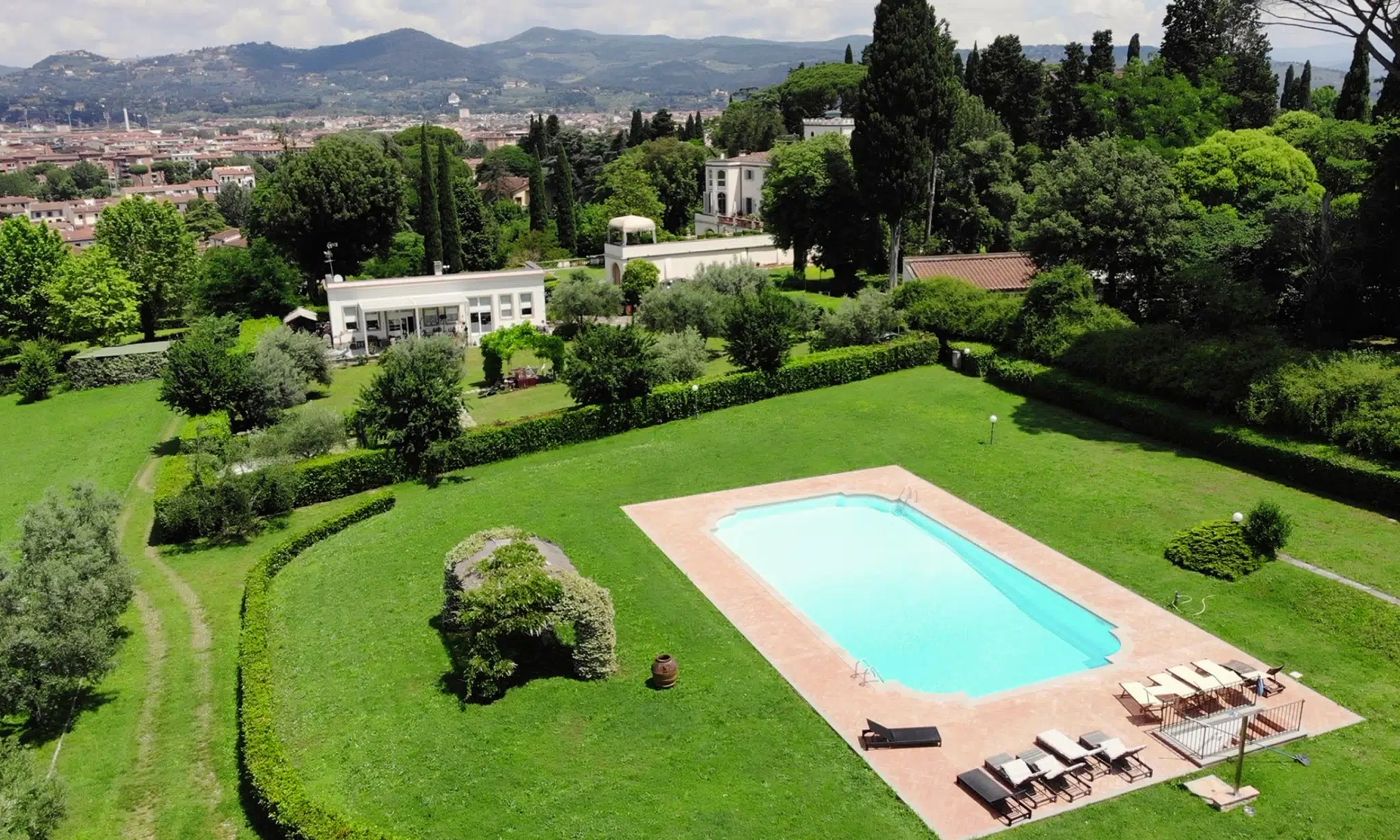
In luxury properties located in condominium settings, what helps define them as such is the wide range of amenities offered to residents. These may include:
- 24-hour concierge and security.
- spas
- private swimming pools
- fitness rooms
- landscaped gardens
- well-kept common areas.
These services not only improve the quality of life for residents, but also represent an added value that boosts the prestige of the property.
In addition, condominium management in luxury contexts is often entrusted to specialized companies that provide excellent levels of maintenance and care, with special attention to the privacy and safety of the residents.
Properties of Historic/Artistic Interest
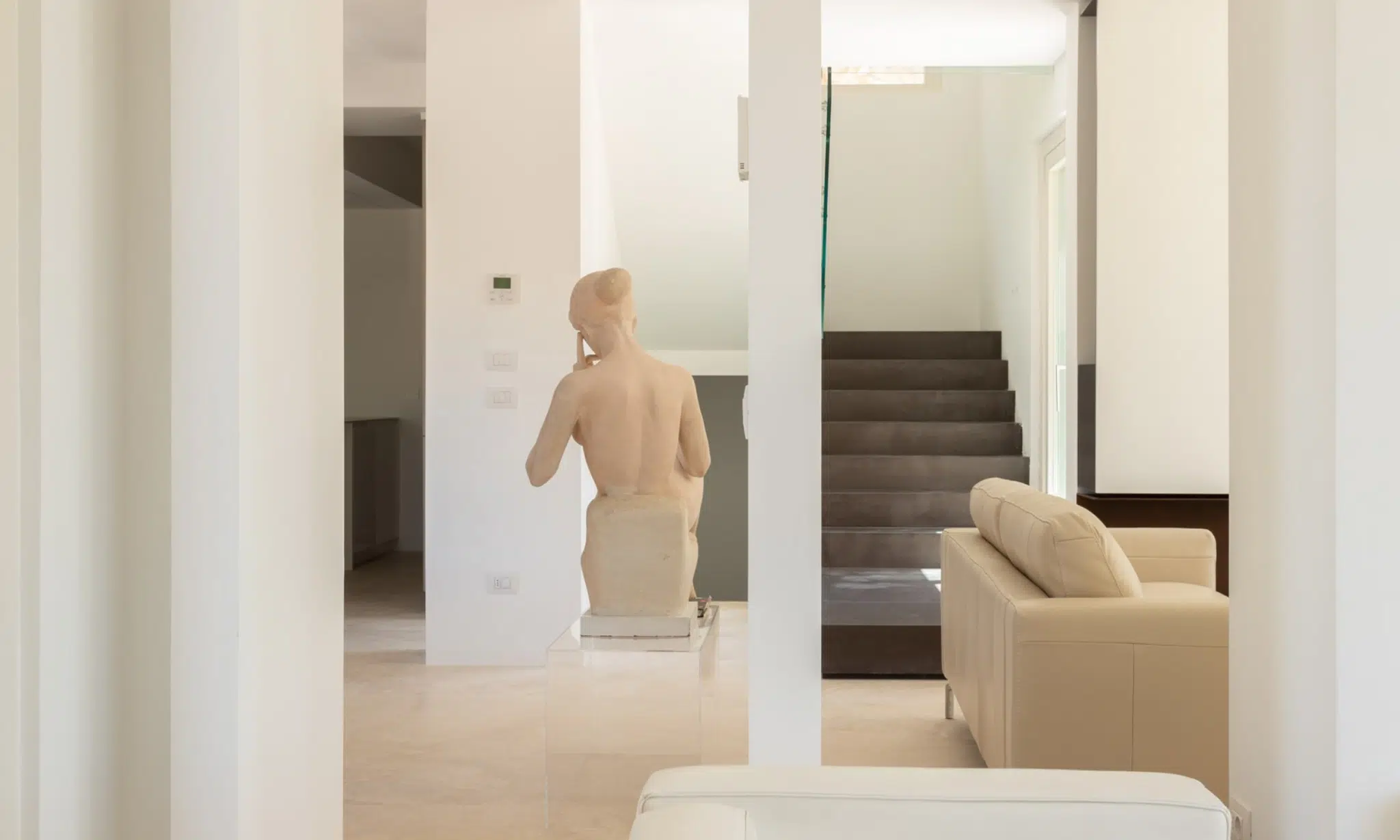
Properties of historic and artistic interest, often classified in cadastral categories A9 and, in some cases, A8, are another dimension of luxury real estate. These properties not only boast unique architectural features, but also carry with them a cultural heritage that makes them one of a kind. Living in such a prestigious property is like living immersed in a history that is reflected in the walls, frescoes and architectural details.
In addition to extraordinary beauty and artistic value, properties of historic interest offer special appeal to those seeking a living experience that combines past and present. These properties are often located in exclusive settings, such as historic town centers or rural areas of particular beauty, and can accommodate large Italian gardens, centuries-old parks, and other structures such as private chapels or stables, which add further value and charm to the property.
Modern Luxury Real Estate: Innovation and Prestige

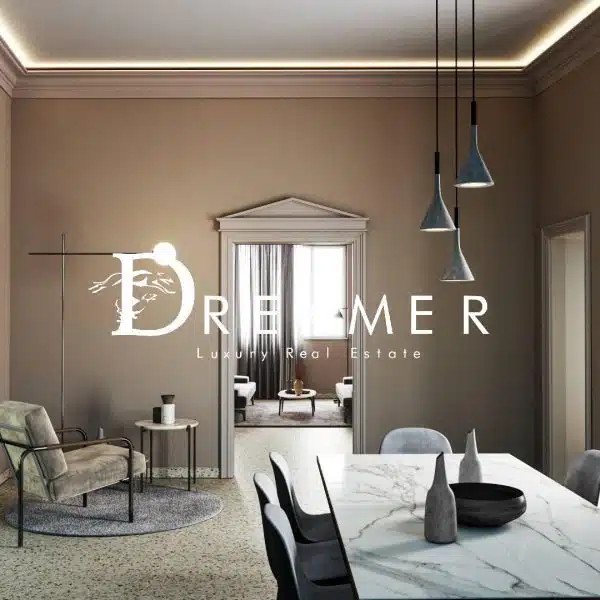
Alongside properties of historical interest, there are also luxury residences that belong to the cadastral categories due to their advanced structural and technological features. These properties are often equipped with home automation systems, which allow intelligent control of lighting, temperature, and security, as well as interior designs curated by internationally renowned architects.
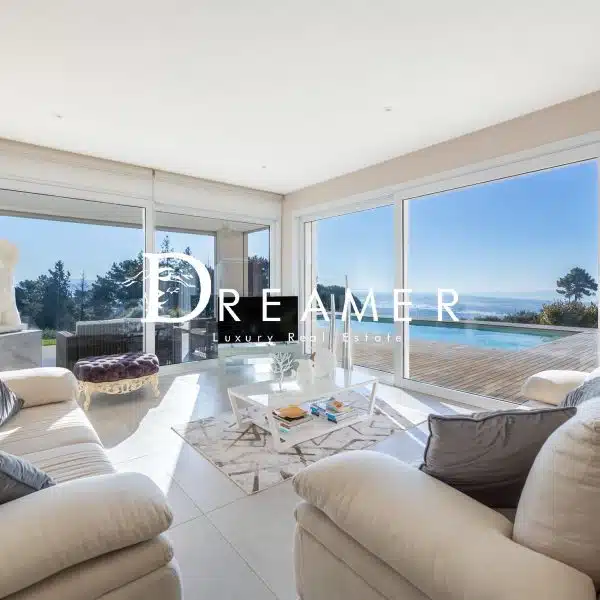
Modern luxury properties can offer large living spaces, panoramic terraces, infinity pools, and multiple garages. Their design is often geared toward maximizing natural light and panoramic views, with a focus on sustainability and energy efficiency, without compromising style and elegance.
Buying or Selling a Luxury House
Choosing to live in a luxury property, a historic or modern one, means embracing an unparalleled living experience. These properties represent an investment not only in economic terms, but also in quality of life, aesthetics and prestige. Whether it is a historic residence or a modern mansion with every amenity, the essence of luxury real estate is to offer something extraordinary and unique, which cannot simply be quantified, but must be fully experienced.
Dreamer offers a selection of luxury homes for sale in Italy. Contact the team of experts at your disposal now and schedule an appointment to learn more about all the details of buying and selling luxury homes.