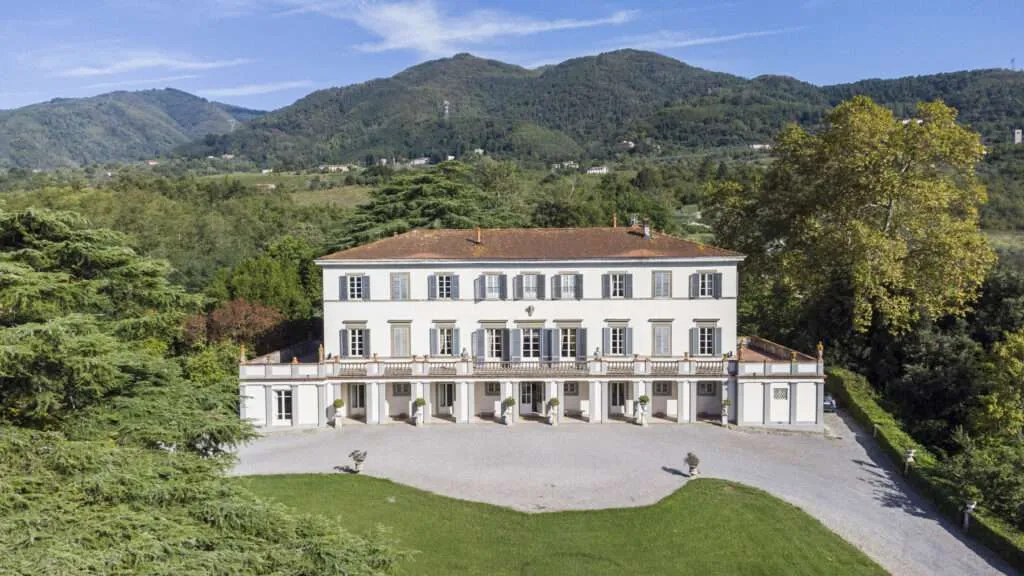


There’s a villa that stands majestically in the hills of Florence: it’s Decameron Villa. The one that inspired the famous Giovanni Boccaccio to write the Decameron, a 14th-century literary masterpiece.
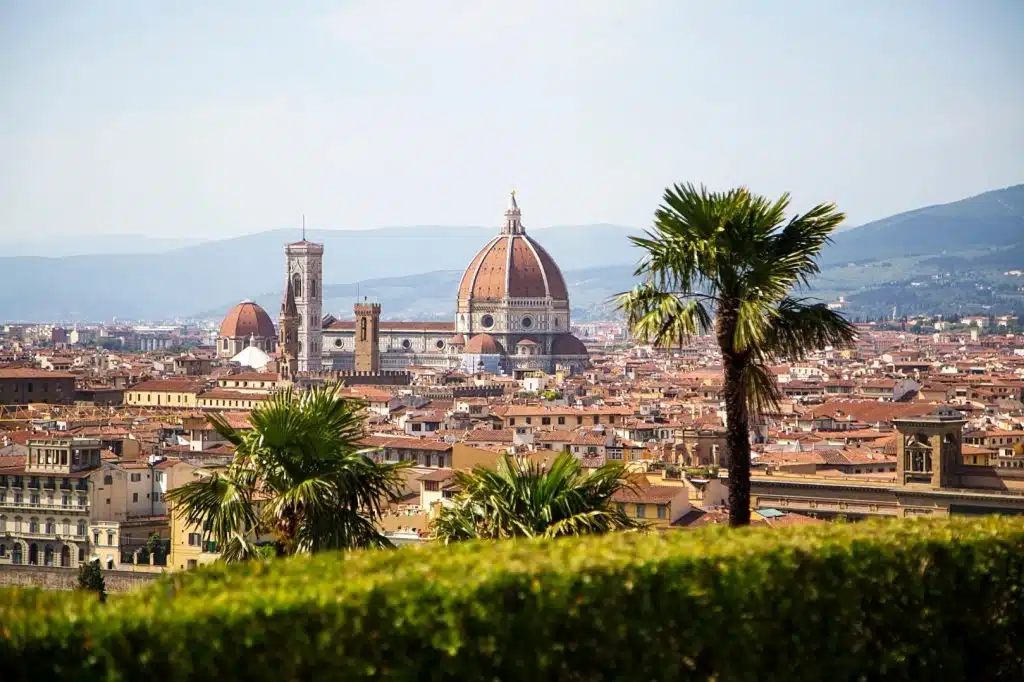
It is one of Italy’s most prestigious and historic luxury mansions, located in the renowned setting of Fiesole, a few steps away from Florence center.
Read the article dedicated to exclusivity and trends in luxury real estate in Florence.
The Villa in Fiesole that inspired Boccaccio
Located in the hills of Fiesole, the Decameron Villa is a magnificent historic italian villa that has witnessed centuries of Florentine history and culture. With its beautiful Italian gardens and breathtaking views of Florence, it is known for inspiring Boccaccio to write his most famous work Decameron. This literary masterpiece produced between 1349 and 1353 is set right in the heart of Tuscany.
Giovanni Boccaccio, born in 1313 in Certaldo, near Florence, is one of the most illustrious figures in Italian literature. He is well known for the work that collects the hundred novellas told by a group of young men and women who took refuge in a villa in the Florentine hills to escape the Black Death raging in Florence in 1348. The stories span themes of love, wit, and fortune, offering a vivid portrait of the society of the time. Boccaccio is recognized for his ability to combine acute realism with a lively and entertaining narrative, making the Decameron a work of extraordinary importance for the development of European narrative prose.
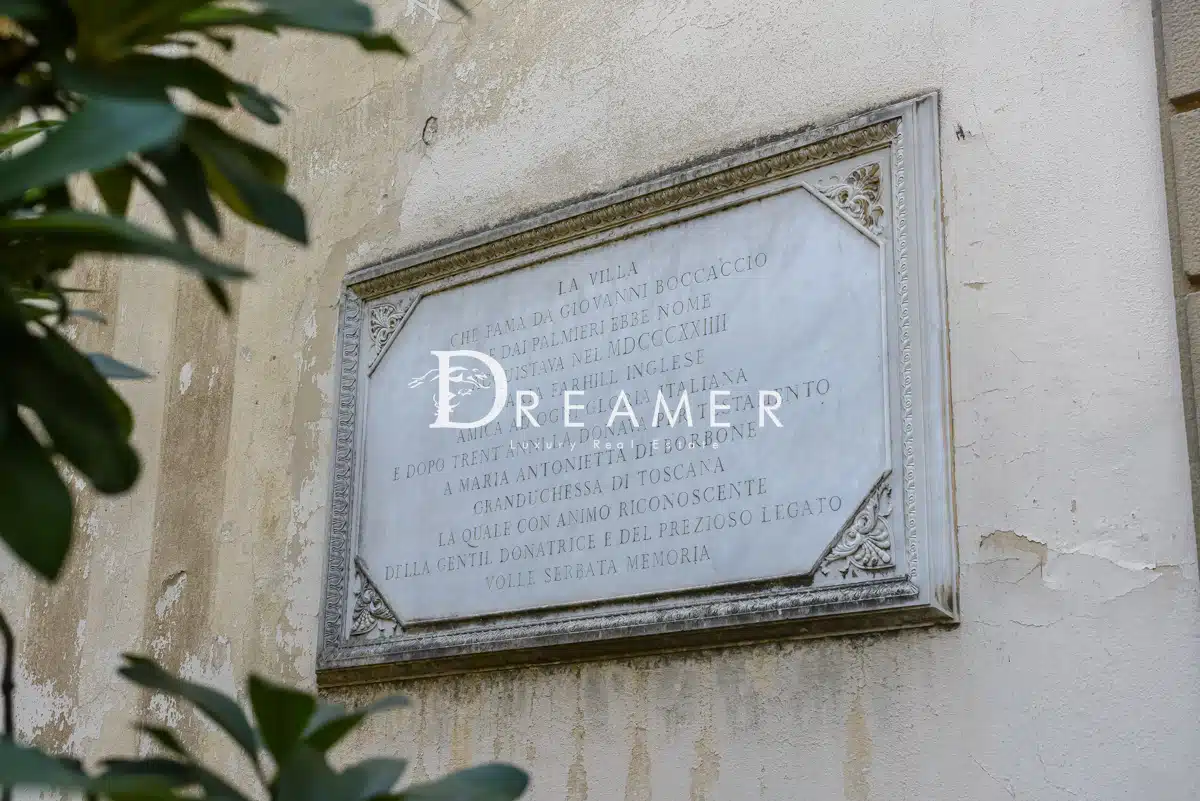
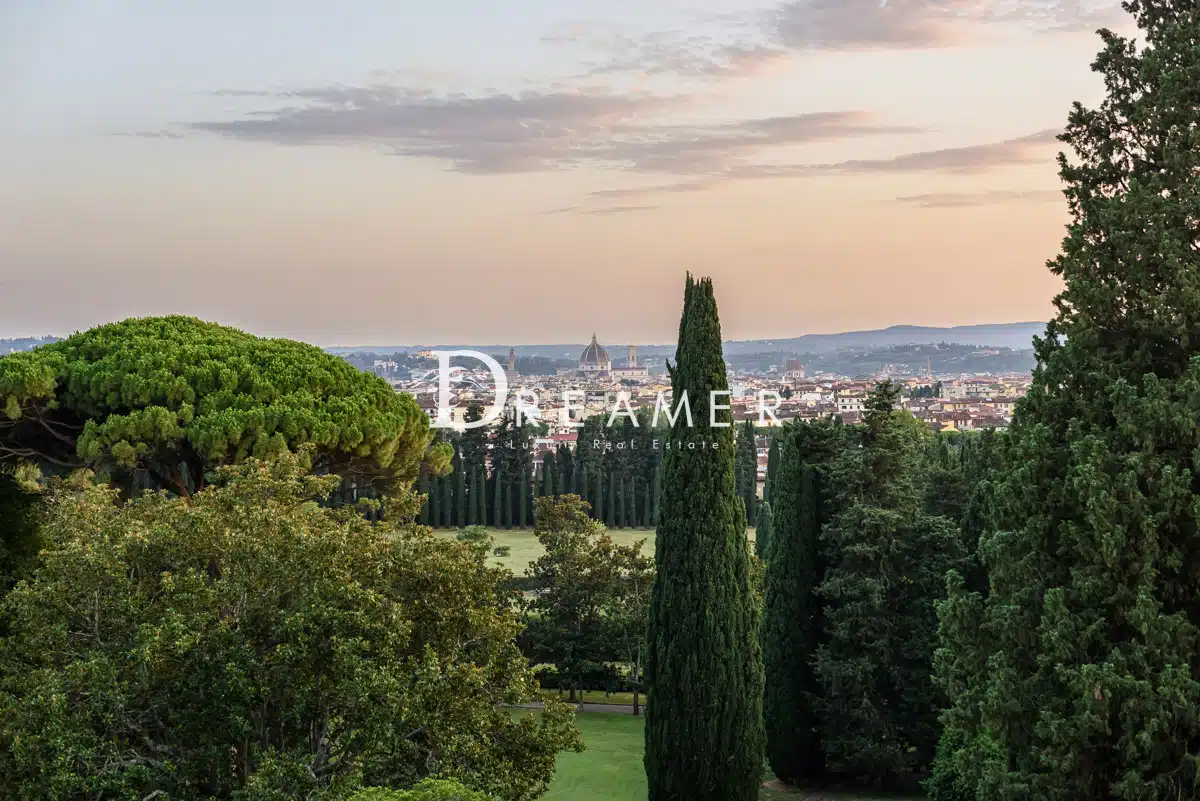
The villa in the Decameron, with its precious and well-kept garden and striking panorama, is the place where Boccaccio sets the Third Day of his work. The paradisiacal garden described in the text, with its impeccable order, lush plants and gushing fountains, reflects the beauty and harmony that can still be admired today.
“The sight of this garden, its beautiful order, the plants and the fountain with the little streams proceeding from it, so pleased each woman and the three young men that they all began to affirm that, if Heaven could be made on earth, they did not know what other form than that of that garden could be given to it“- wrote Boccaccio, thus immortalizing the enchanting beauty of the place.
[“Il veder questo giardino, il suo bello ordine, le piante e la fontana co’ ruscelletti procedenti da quella, tanto piacque a ciascuna donna e a’ tre giovani che tutti cominciarono ad affermare che, se Paradiso si potesse in terra fare, non sapevano conoscere che altra forma che quella di quel giardino gli si potesse dare“.]
A Historic Villa with a Story to Tell
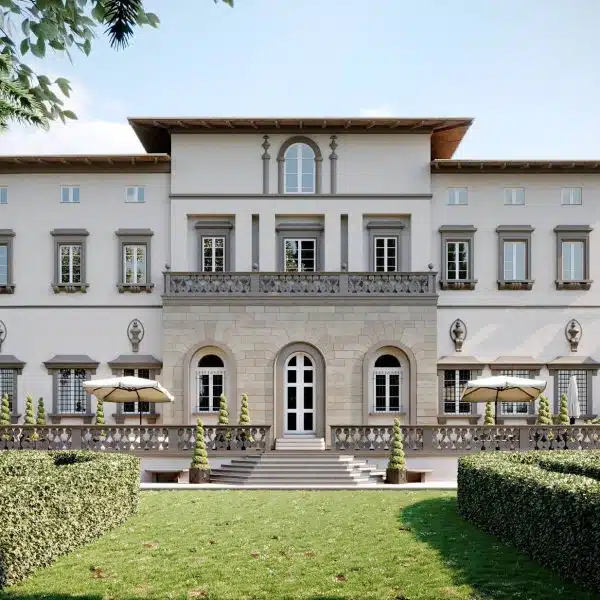
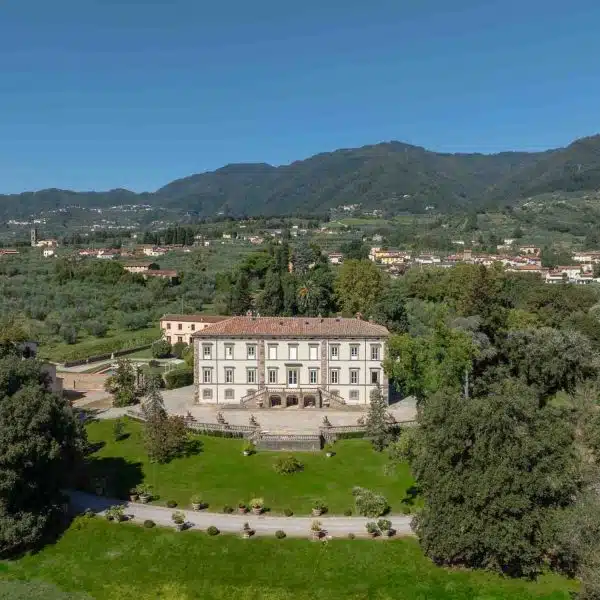
The villa’s history dates back to the 14th century and today it is a magnificent example of Renaissance architecture. Its design is characterized by an understated and elegant facade: the original Baroque decorations were unfortunately lost in a controversial postwar restoration, but have given way to a simpler and more refined aesthetic.
But how are period mansions preserved and restored? Read here.
Over the years, the mansion has undergone several transformations. Including significant renovations in 1697 that added a panoramic terrace, a five-arched loggia, and the “pincer” stairs leading to the lemon garden.
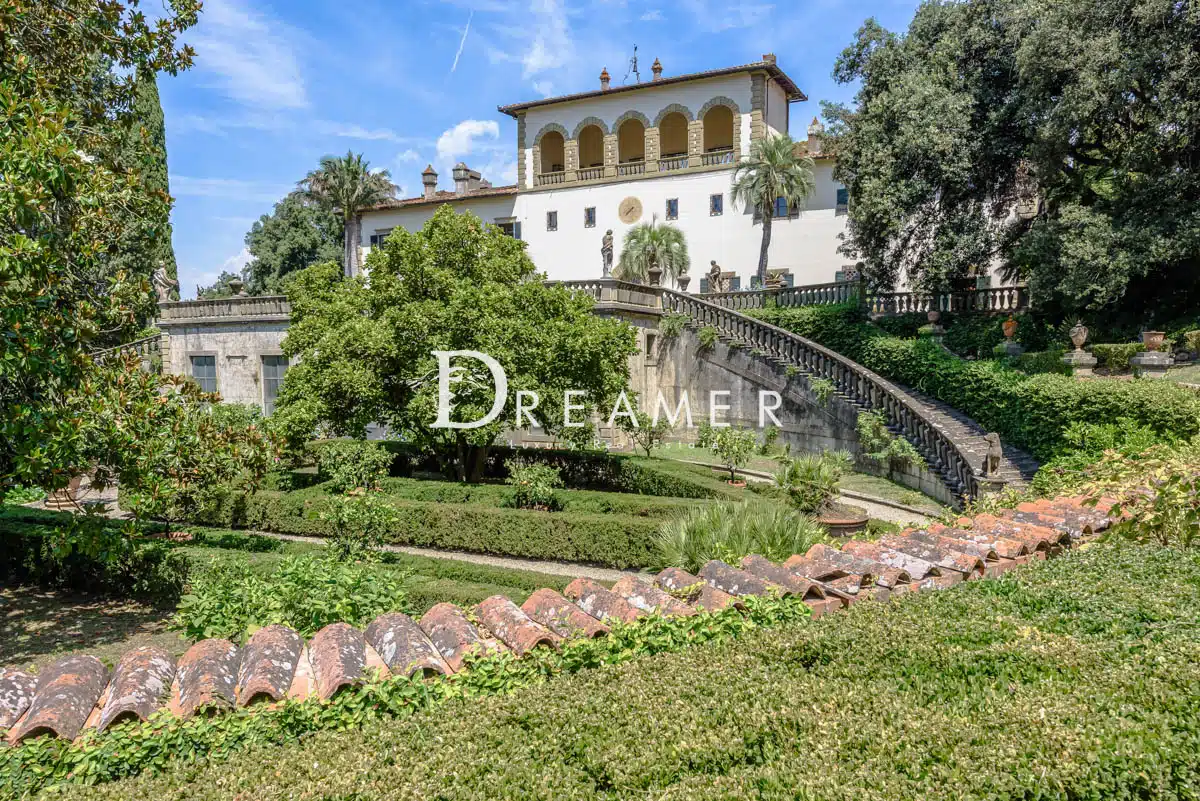
In the 19th century, this very green space was transformed into an English-style park, enriched with exotic plants and scenic architecture, including the splendid Fountain of the Three Faces and a neo-Baroque-style chapel.
Illustrious Owners
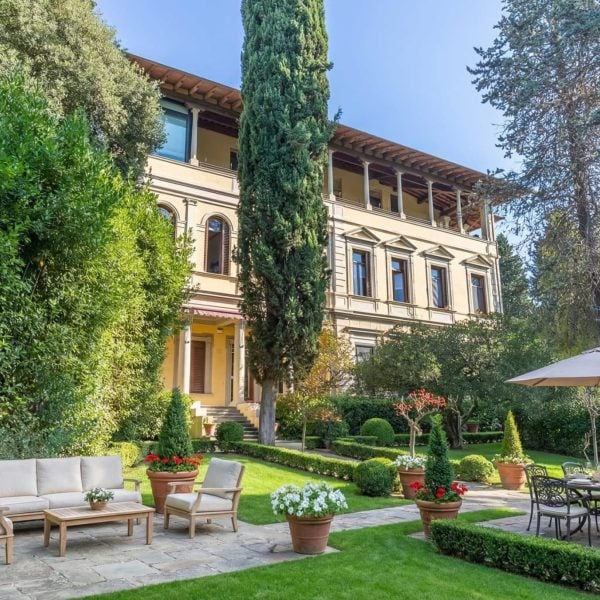
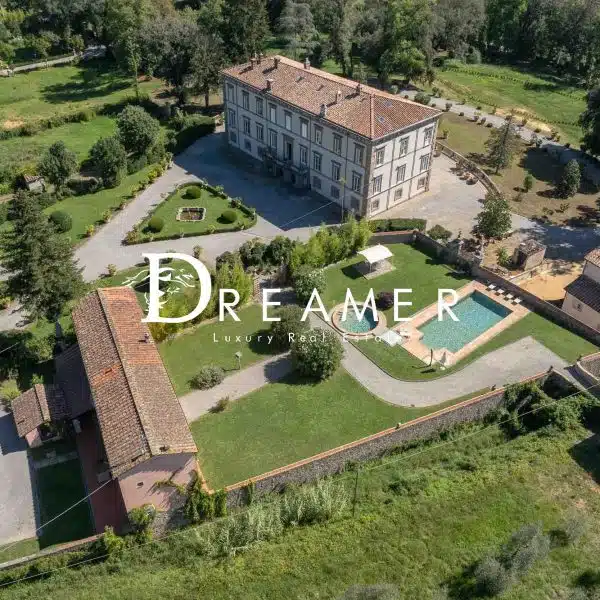
Decameron Villa, with its imposing 4,000 square meters and a 9-hectare park (the second largest in Florence after the Boboli Gardens), majestically overlooks the Florentine hills.
Originally owned by the Fini family, it was ceded in 1454 to Matteo di Marco Palmieri, and in 1697, heir Palmiero Palmieri initiated a renovation, adding a south-facing terrace, a five-arched loggia and the distinctive stairs leading to the lemon garden. In 1760, the mansion passed to the third Earl Cowper and later to the English Earl of Crawford and Belcaress, who in the mid-19th century transformed the garden into an English park.
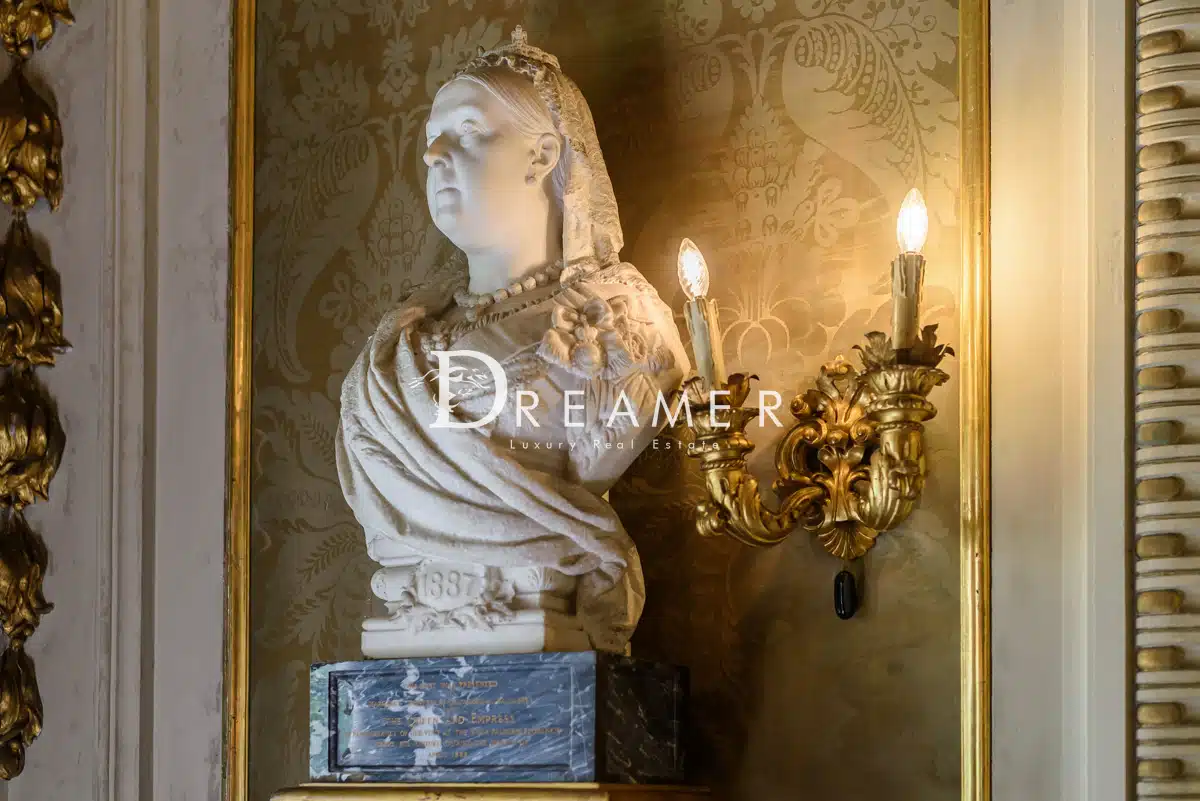
Today, the oldest remaining part is the lemon garden, characterized by the geometric design of the flower beds fenced by box hedges, as evidenced by an 18th-century engraving by Giuseppe Zocchi. Some trees in the garden bear plaques commemorating the stays of Queen Victoria of England, who frequently visited Florence in the late 19th century. Her private apartments in the Decameron Villa were almost entirely furnished by the Windsors.
Unique Frescoes
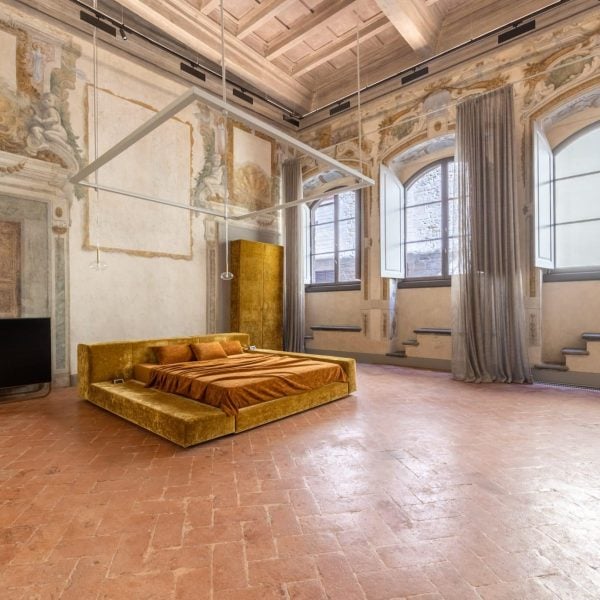
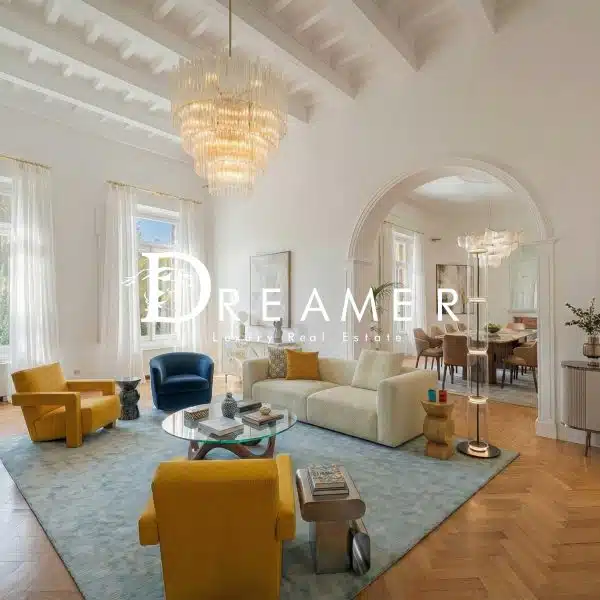
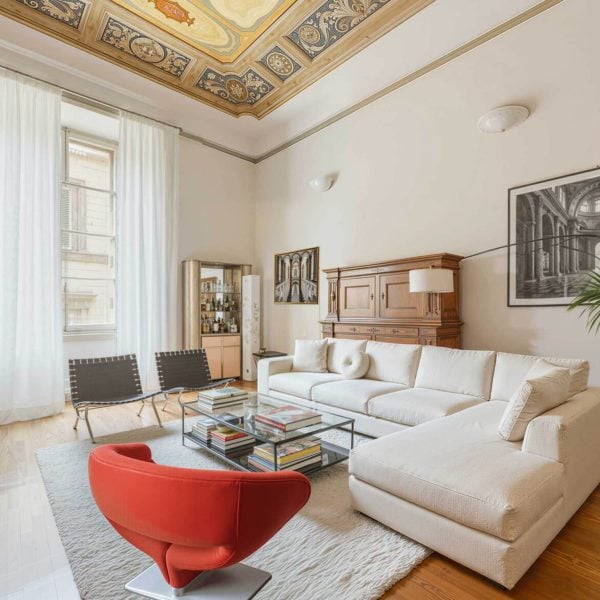
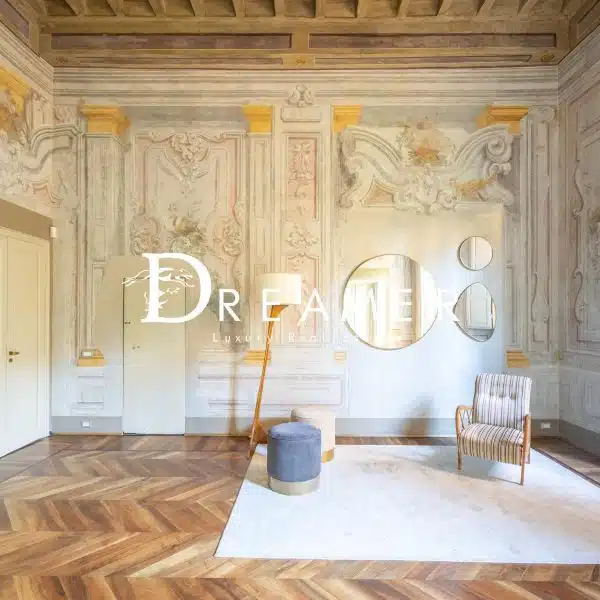
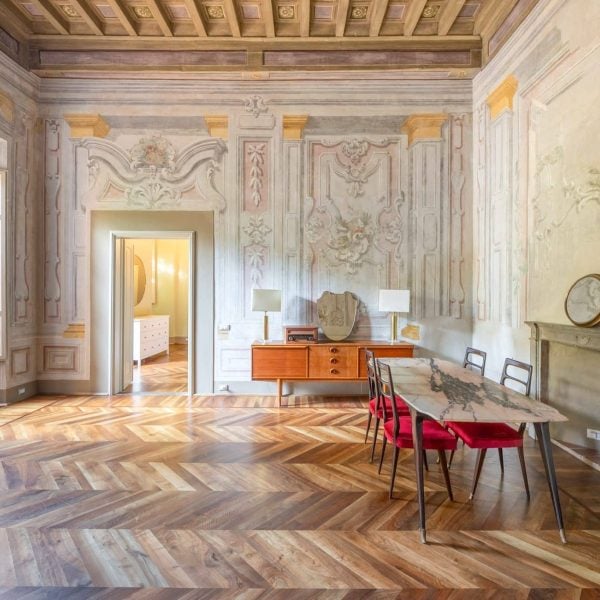
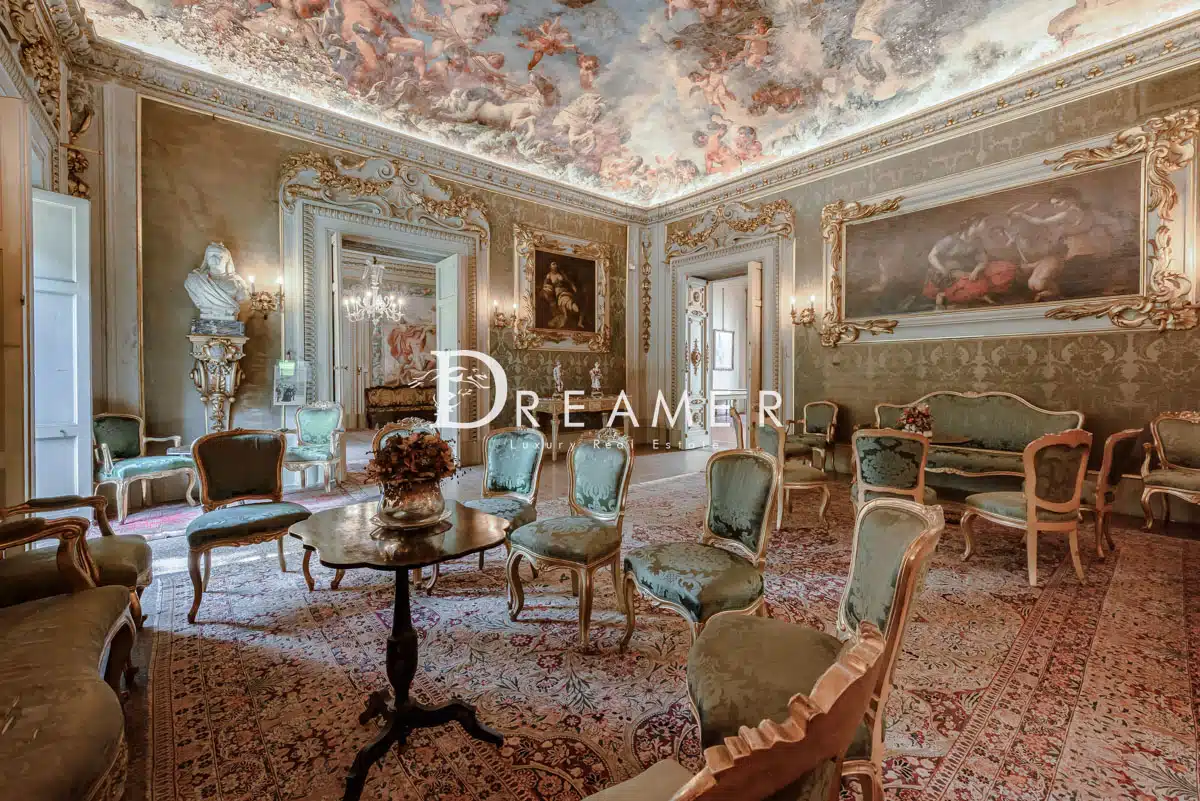
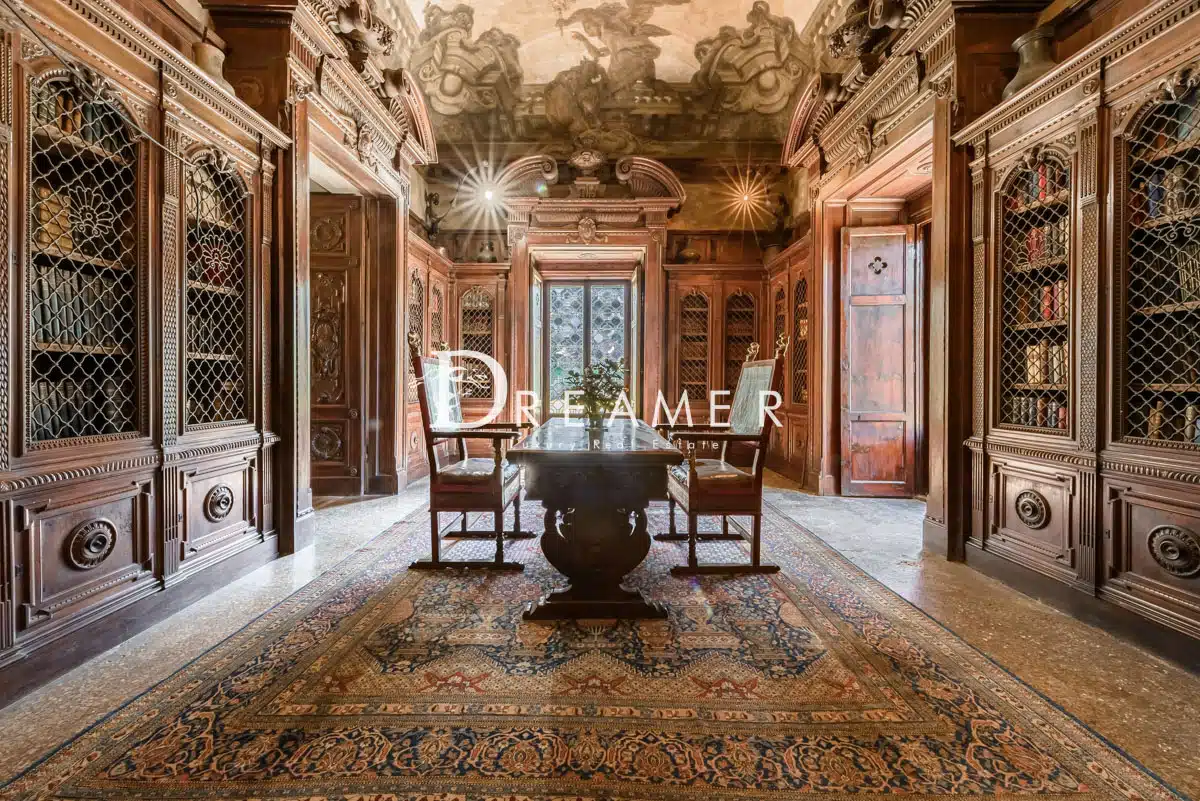
Inside, the villa is an authentic journey through time. The halls are adorned with frescoes that tell stories from more than five centuries, with artwork that enraptures the eye. These majestic spaces combine the elegance of the past with modern comfort, creating a unique and fascinating atmosphere.
On the ground floor we find stuccoes and decorations by Ghilardini and half marble busts representing the most famous people who have inhabited the residence. One of them was Queen Victoria of England, who stayed there for some time, leaving an indelible sign of her passage, like the plaques affixed to some of the trees in the garden. On the second floor, then, two imposing paintings dominate the scene, depicting the villa in different periods, works by the famous Pandolfo Reschi. He was a painter of Polish origin who was a leading figure on the Florentine Baroque scene in the 1600s.
The Villa’s Garden: Heaven on Earth
Today, Decameron Villa is not only a priceless historical monument, but also a contemporary luxury retreat that continues to captivate with its beauty. To experience it is to immerse yourself in the same atmosphere that inspired one of the world’s greatest writers of literature.
Its gardens, located on the picturesque slopes of Piazza S. Domenico, are considered the heavenly setting that frames the stories of Boccaccio’s Decameron. In fact, it is believed that it was here that the young protagonists of his novellas gathered, finding inspiration among its colors and scents.
As early as the 14th century, green space was celebrated as a festive place for the senses, where one could converse, play music, and engage in pleasurable activities. In the 15th century, the conception of the garden and villa was further developed thanks to Leon Battista Alberti, who in De re aedificatoria laid down the rules for building.
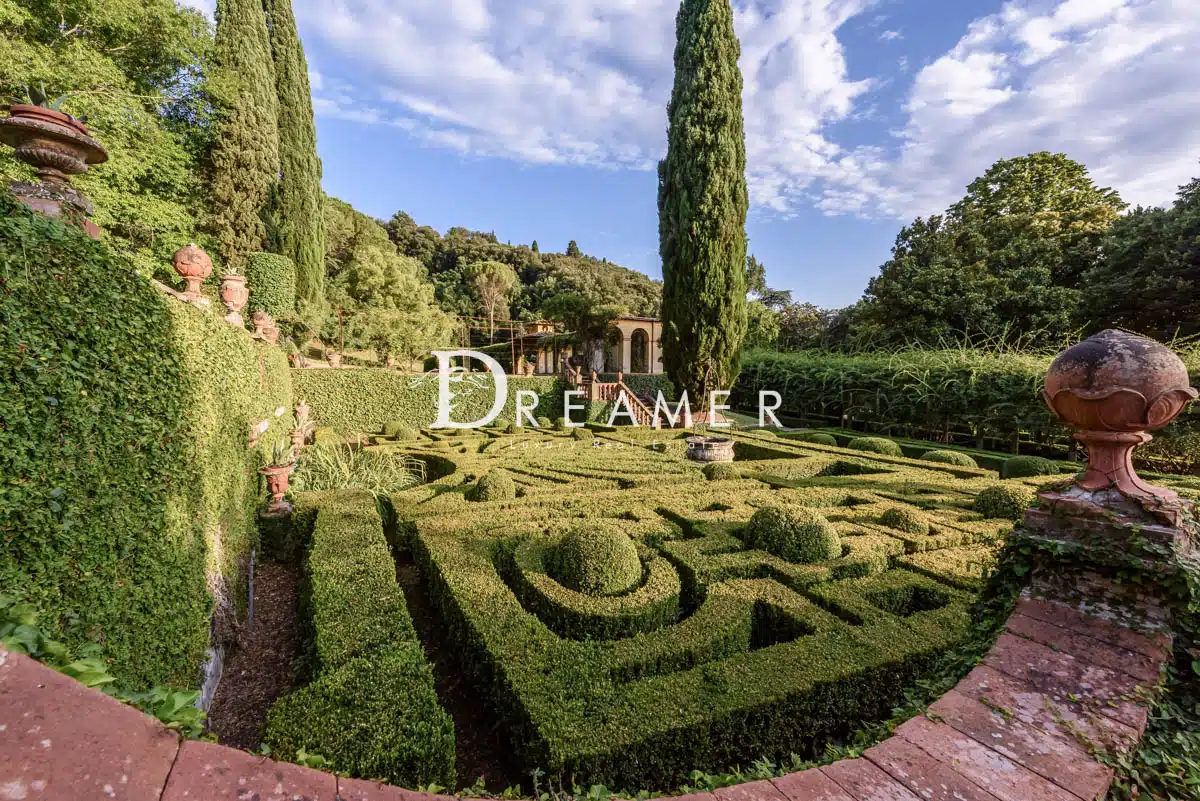
Today, the oldest remaining part of the villa is the lemon garden, characterized by the geometric design of flower beds fenced by box hedges. This historic arrangement is also evidenced by an 18th-century engraving by Giuseppe Zocchi, which depicts this space in all its historic beauty. During the warm season, terracotta jars containing citrus plants are arranged in symmetrical positions around the circular fountain, creating a harmonious and striking visual effect.
Fun Facts about Decameron Villa
Last June 12, Decameron Villa hosted Polimoda’s Graduation Show. The magnificent garden was the setting for the creations of emerging designers from the Florentine institute.
Already in the past, the marvelous location, also chosen to celebrate elegant weddings, has been the protagonist of fashion events.
- In 2017, the gala dinner of one of the fashion industry’s best-known events, Pitti, was held right here.
- In 2019, Clare Waight Keller former Givenchy Artistic Director brought the men’s collection to the labyrinths of Decameron Villa gardens.
But there is more. On April 29, 1888, The New York Times devoted an article to Queen Victoria’s Florentine villa and described in detail her private apartments, furnished almost entirely by the Windsors. Outside, a kiosk on the ground floor was mentioned, where the Queen spent much of her time, enjoying the splendid view.
Dreamer Real Estate’s Exclusive Portfolio
Decameron Villa is considered to be one of the five most expensive properties in Italy. It is now in the hands of Dreamer brokers, partners in negotiations, investments and sales of prestigious properties.
Dreamer is your guide in luxury real estate: discover all the wonderful luxury properties for sale.