

The castle market in Europe is evolving rapidly, driven by a significant trend in the digitalization of listings and the globalization of potential buyers. According to JamesEdition data, the online visibility of heritage properties has surged by 56% compared to the previous year, opening the sector to an elite international audience of investors.
A key 2025 metric reveals that American buyers represent 30% of all inquiries for European castles, confirming their status as the most active buyer group worldwide in this specific market segment.
This dynamic highlights how European castles are more than a symbol of historical heritage: they have become a global strategic asset, offering a unique blend of capital preservation and prestige.
A New Era for European Castles
Over the past two years, the geography of high-end real estate has undergone a profound shift. While France currently leads in inventory, hosting 67% of the world’s online castle listings, Italy remains the ultimate prize for the discerning collector.
With just 27% of the market share, Italy defines the peak of exclusivity and scarcity. Most Italian “heritage assets” are never publicly listed; they are managed through discreet, off-market channels, offering a level of privacy that is highly coveted by the global elite.
The primary driver of this demand? The United States. American investors are seeking a cultural hub in Europe, attracted by a market that saw total investment in prime real estate rise to €215 billion in 2025 (Savills).
Despite global economic shifts, these one-of-a-kind estates continue to outperform traditional investments. For the modern UHNWI, a castle is the quintessential multi-dimensional asset: a sanctuary for the family, a statement of prestige, and a sophisticated engine for high-yield revenue.
Defining the Asset Class: Primary Castle Types
The heritage real estate segment offers a sophisticated spectrum of opportunities, ranging from austere medieval fortifications to opulent Renaissance residences and meticulously restored estates equipped with state-of-the-art 21st-century amenities.
For the investor who demands absolute privacy, monumental volumes, and a historical soul, the castle stands as the ultimate Trophy Asset. It is the precise intersection where ancestral prestige meets modern entrepreneurial vision. More importantly, it is an asset that resists depreciation: its value is fundamentally anchored to its absolute rarity.
Historic and Medieval Castles
This category of heritage property offers some of the highest potential for capital appreciation. The rolling hills between Florence and Siena have long been the gold standard for period castles, where history, architecture, and local traditions converge to create a unique value proposition.
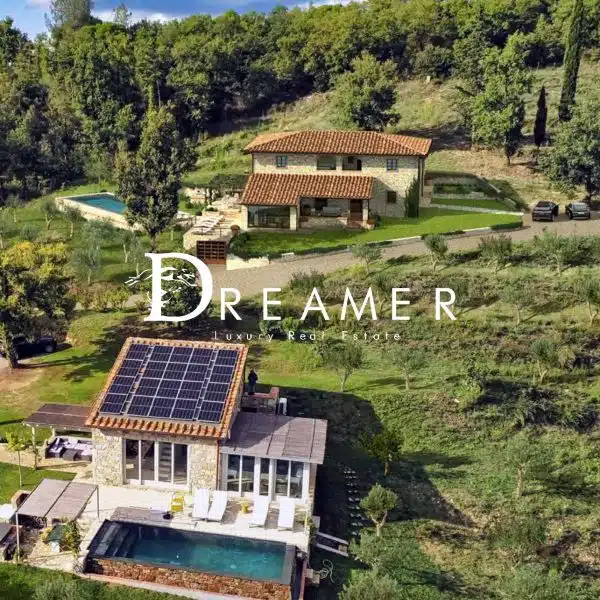
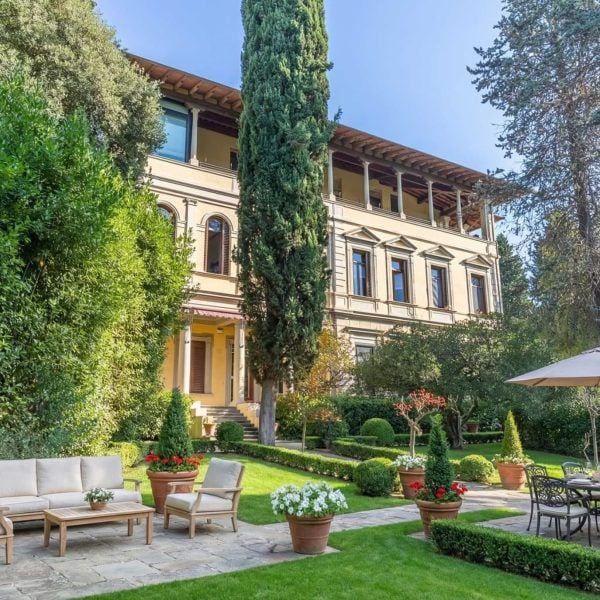
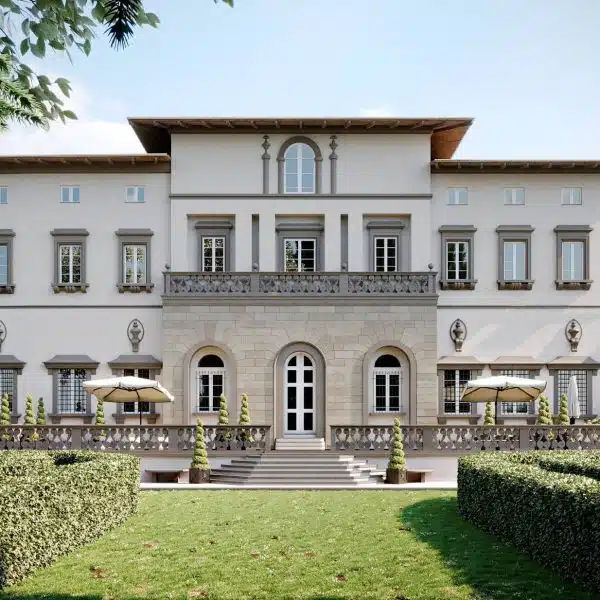
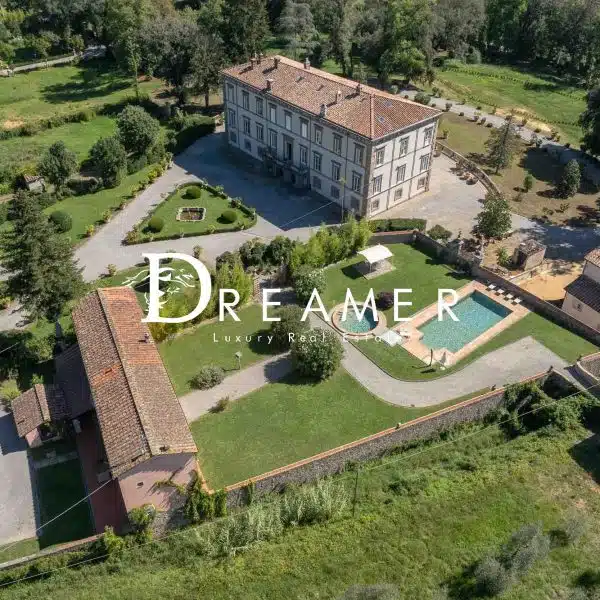
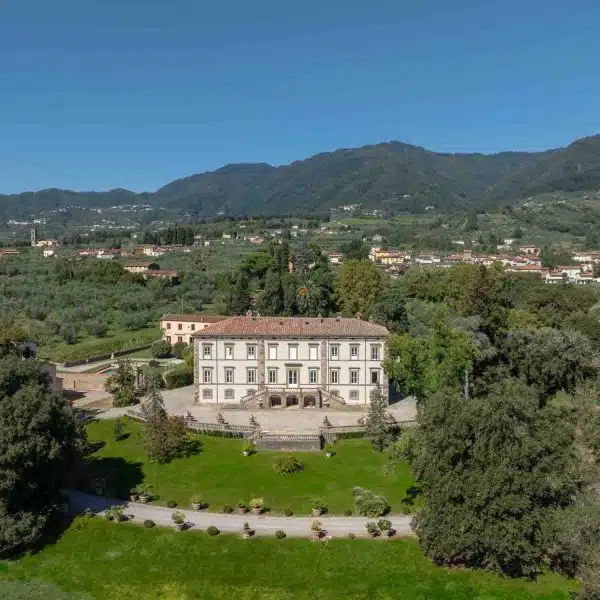
Properties such as the Prestigious Historic Castle near Florence, currently in the Dreamer portfolio, perfectly embody this blend. This estate offers unparalleled investment versatility, lending itself to multiple high-end uses: a grand private residence, an ultra-exclusive boutique hotel, a world-class wedding venue, or a prestigious cultural hub.
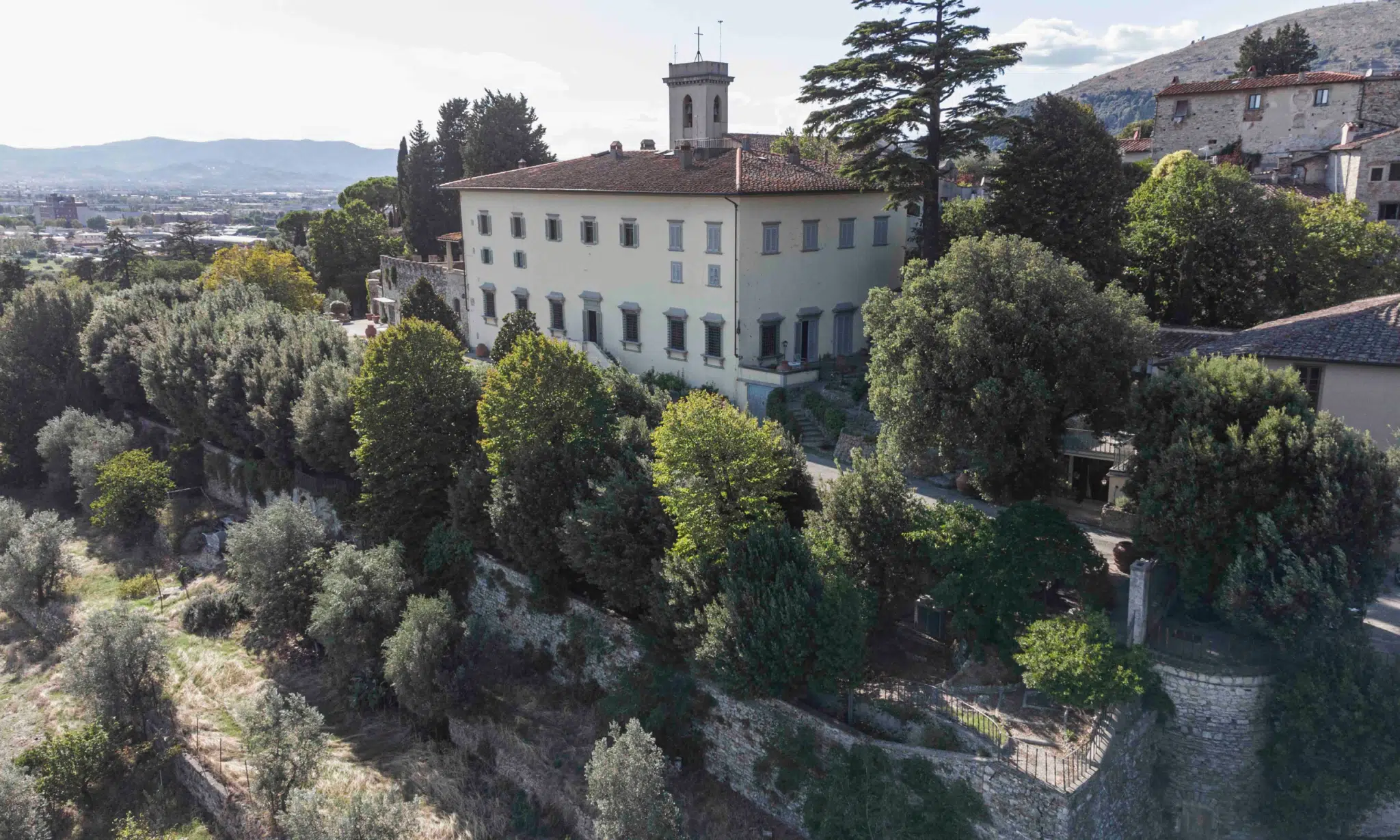
Its historical lineage dates back to 1134 A.D., having hosted illustrious historical figures and the most influential noble families of Florence over the centuries. Investing here means acquiring a narrative that has been written for nearly a millennium.
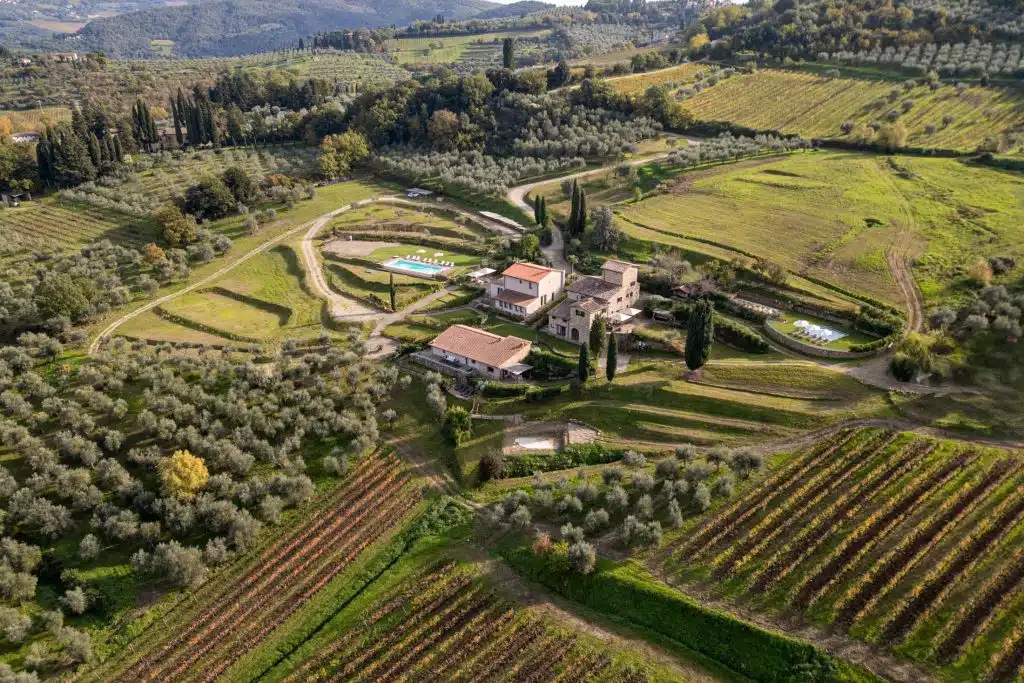
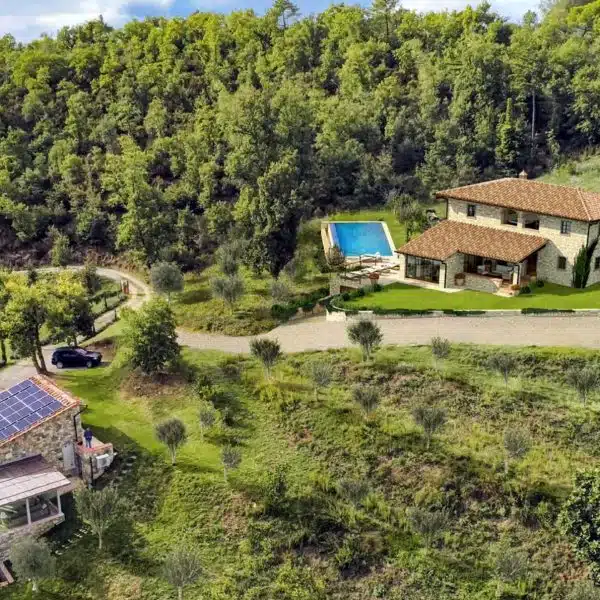
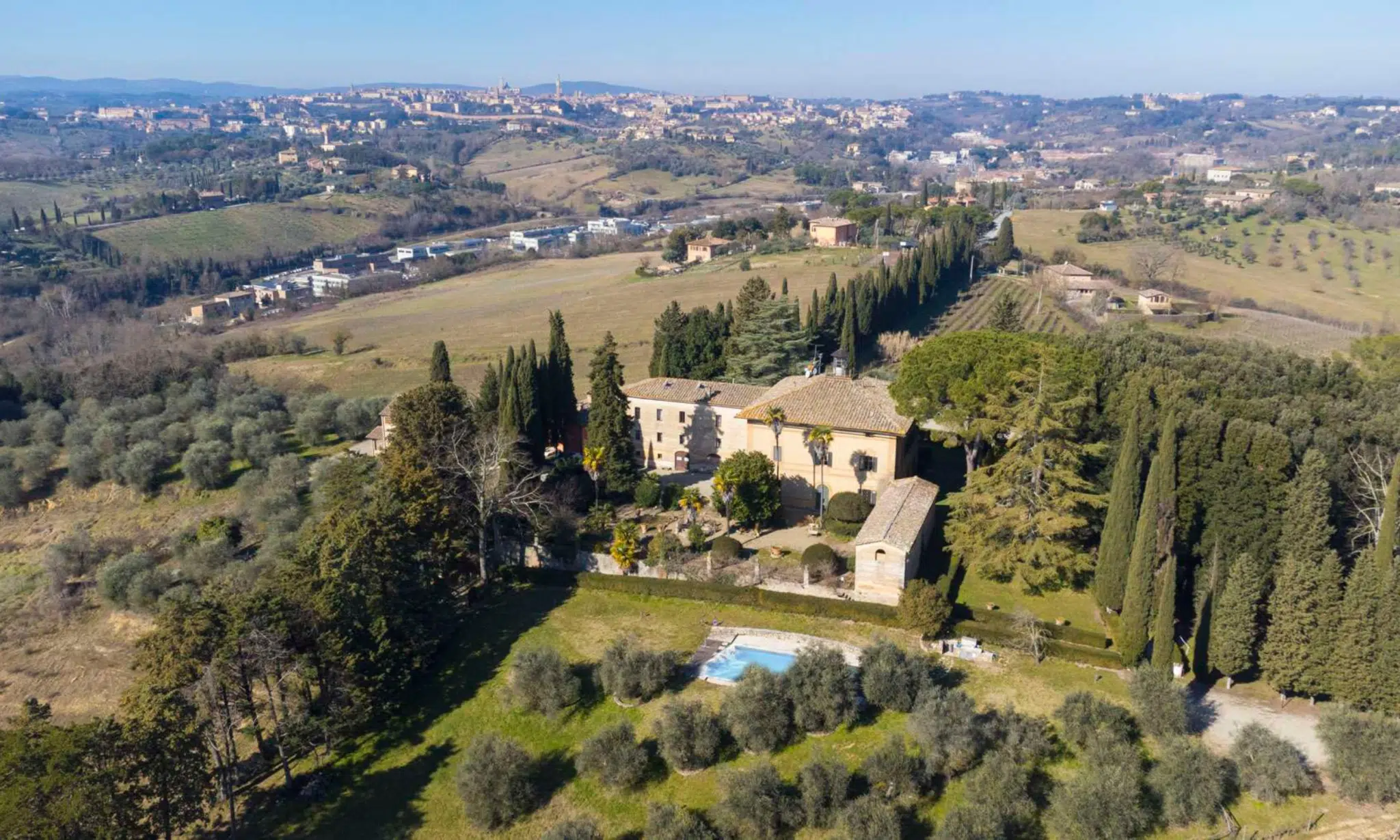
Continuing our journey through the Tuscan countryside, we encounter the Castle with Pool and Vineyard in Siena. This historic residence has preserved its original medieval architecture with remarkable integrity, seamlessly integrating it into a productive rural landscape. The result is a masterclass in asset versatility, offering a spectrum of possibilities, from a secluded family sanctuary to a world-class luxury wine destination for the global elite.
Castles Turned into Boutique Hotels
These exceptional luxury assets are engineered to generate immediate cash flow through high-end rentals, exclusive events, and ultra-luxury hospitality. In a market where experience is the new currency, a castle is the ultimate platform for high-yield returns.
In the heart of Tuscany, Dreamer presents, in its Private Area, this Magnificent Castle with Pool in Chianti: a quintessential Tuscan estate that masterfully balances authentic character with modern luxury and commercial potential.
Located in one of the world’s most iconic wine regions, the property features a private pool and grand interiors designed for high-profile hospitality. Its strategic relevance for wine tourism and lifestyle experiences makes it the perfect venue for luxury brand activations, executive retreats, and private wine clubs.
Imagine it as a property where medieval history embraces the contemporary world, where you can enjoy a Brunello or Chianti Classico at sunset, surrounded by breathtaking views.
Restored Luxury Castles with Premium Amenities
Ideal as private estates, exclusive event venues, or experiential business ventures, this is the most sought-after investment model for 2026. These complexes often extend beyond the castle walls to include entire historic hamlets, stables, and productive land. Here, the castle evolves into a dynamic enterprise: prestigious vineyards or olive groves transform the property into a high-functioning asset with diverse revenue streams.
Envision a medieval castle where every suite echoes tales of nobility and historic battles, yet is fully equipped with state-of-the-art contemporary comforts.
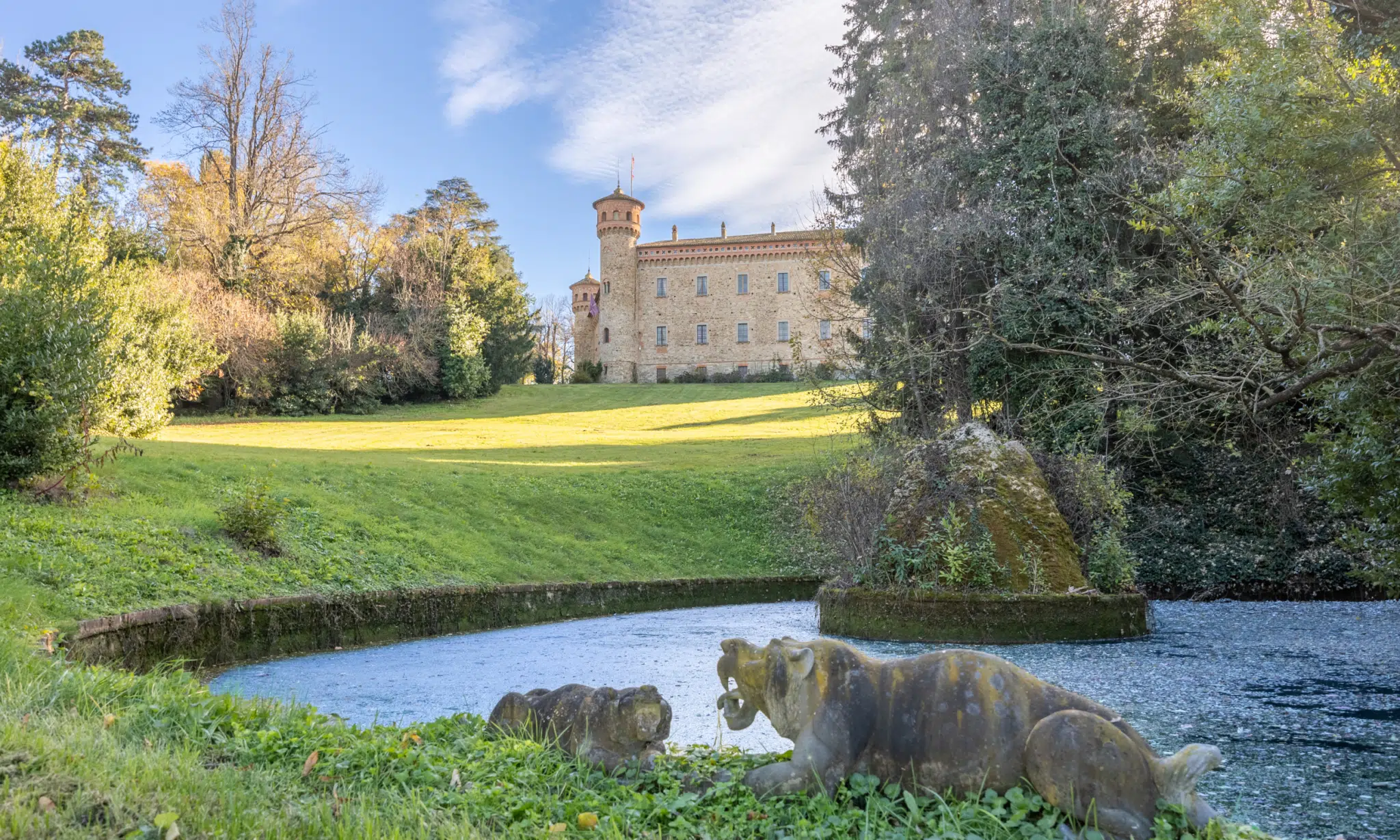
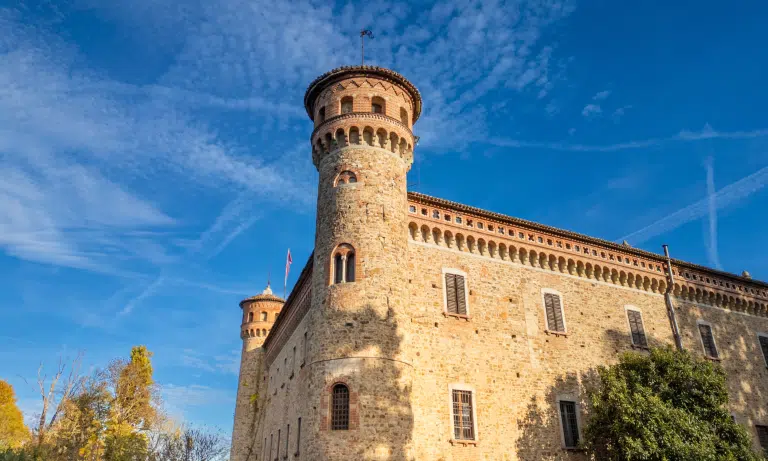
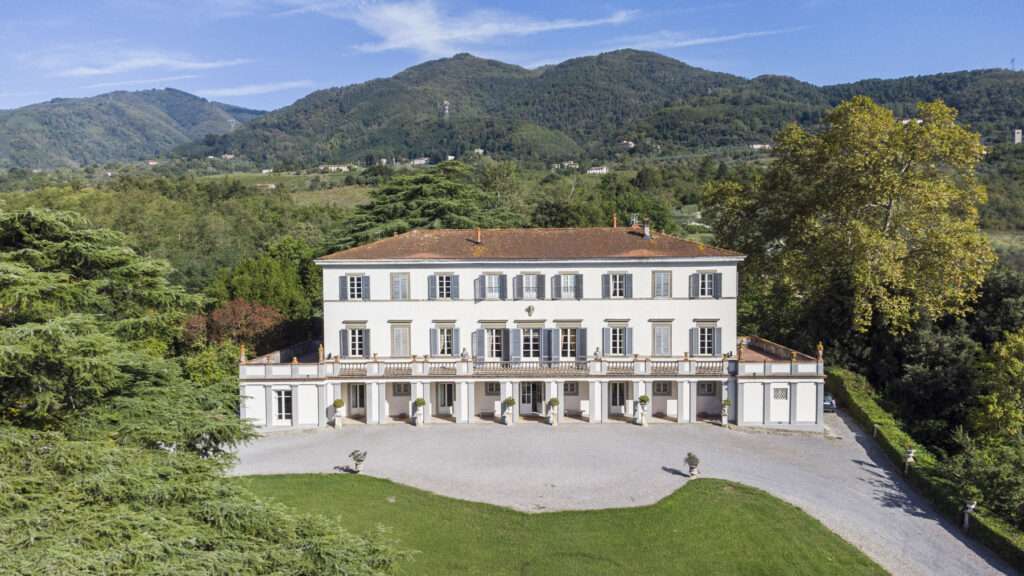
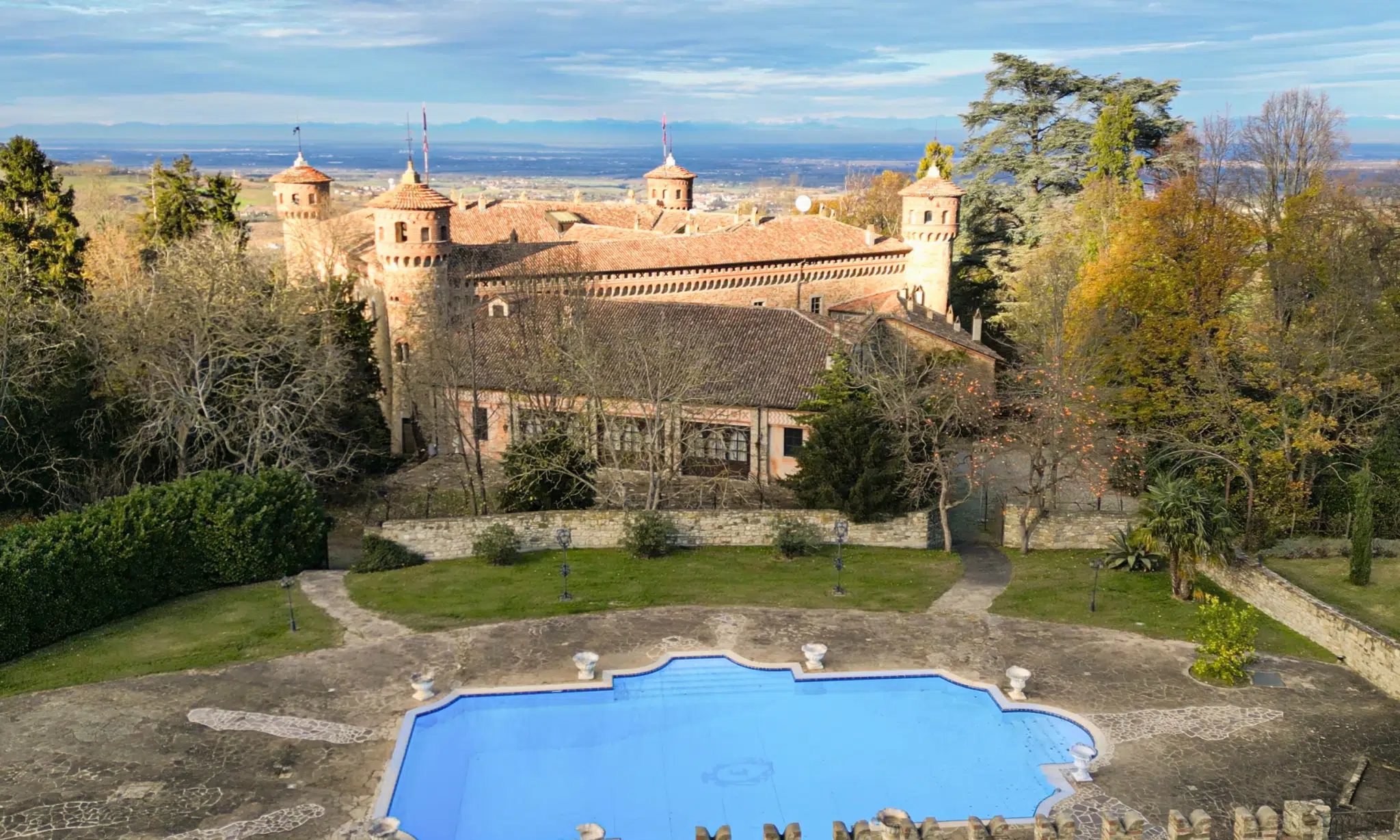
This vision is personified by the Majestic Historic Castle near Milan, currently listed in Dreamer’s The Iconic Collection. This monumental 6,000 sqm estate features 29 bedrooms and 30 bathrooms, set within 7.5 hectares of private parkland. Its panoramic location is strategically situated just one hour from Italy’s financial heart.
Historic Luxury Castle Near Milan: An Iconic Investment Opportunity
Why is this a Trophy Asset?
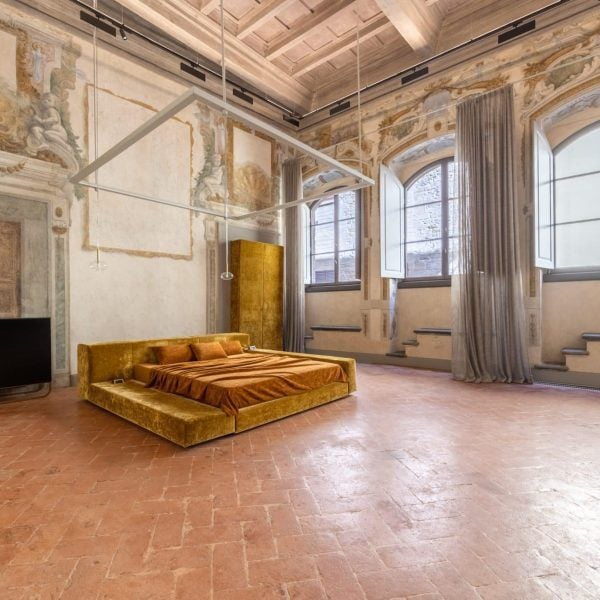
- Emotional and architectural impact: it boasts a strong scenic presence and medieval architecture restored with historical materials, as well as frescoes, fireplaces, and panoramic towers.
- Strategic location: its proximity to Milan and major European hubs ensures rapid international access.
- Unrivaled versatility: perfectly suited as a prestigious private residence, a flagship luxury hotel, or a high-level corporate headquarters looking to leverage a powerful historical narrative.
The Unrivaled Allure of Italian Castles
Italy preserves an extraordinarily diverse cultural heritage, acting as a magnet for global investors seeking historical authenticity, iconic landscapes, and a premium lifestyle.
In Italy, a castle is more than a building; it is the centerpiece of an ecosystem that merges art, breathtaking scenery, and a lifestyle widely recognized as the pinnacle of well-being. Acquiring a castle in Italy means becoming the steward of a legacy that ranges from rugged medieval fortresses perched on Alpine passes to elegant Renaissance manors nestled among Tuscan vineyards.
From a technical perspective, Italian castles often fall under the A/9 cadastral category. While these assets are frequently subject to Cultural Heritage (Fine Arts) restrictions, this should not be viewed as a limitation, but rather as a testament to their quality.
Owning a protected property means holding a piece of heritage safeguarded by the Italian State. This protection acts as a barrier to entry, ensuring the asset’s absolute rarity. For the investor, it is a guarantee that the historical integrity and market value of the estate will remain untouched by time.
Read our Guide to the Cadastral Classification of Luxury Properties here.
Why Invest in a Castle? The Business Case for 2026
Investing in a historic estate is a sophisticated move toward asset diversification. The heritage estate segment is currently benefiting from three powerful global trends that ensure a premium demand year-round:
- Castles have become the ultimate venue for ultra-exclusive international weddings and large-scale corporate events. The “historic allure” creates a natural barrier to competition, allowing owners to command premium pricing.
- Italian castles, in particular, often include historic vineyards and cellars. This allows for an integrated Wine Tourism model: a rapidly expanding sector that blends luxury living with high-margin sensory experiences and private label production.
- Converting a castle into a high-end boutique hotel allows investors to tap into the experiential travel trend. Guests are seeking heritage stays and authentic experiences deeply rooted in local history and traditions.
Let’s examine these high-yield opportunities in detail.
Transforming Heritage into Value: Hospitality and Yield
The true paradigm shift of 2026 lies in the active management of historic estates. According to PwC’s Emerging Trends in Real Estate 2026, 83% of investors are now prioritizing assets that integrate sustainability with the capacity to generate consistent income. In this light, the castle evolves from a static monument into a center of excellence for enterprise.
The Destination Wedding Trend
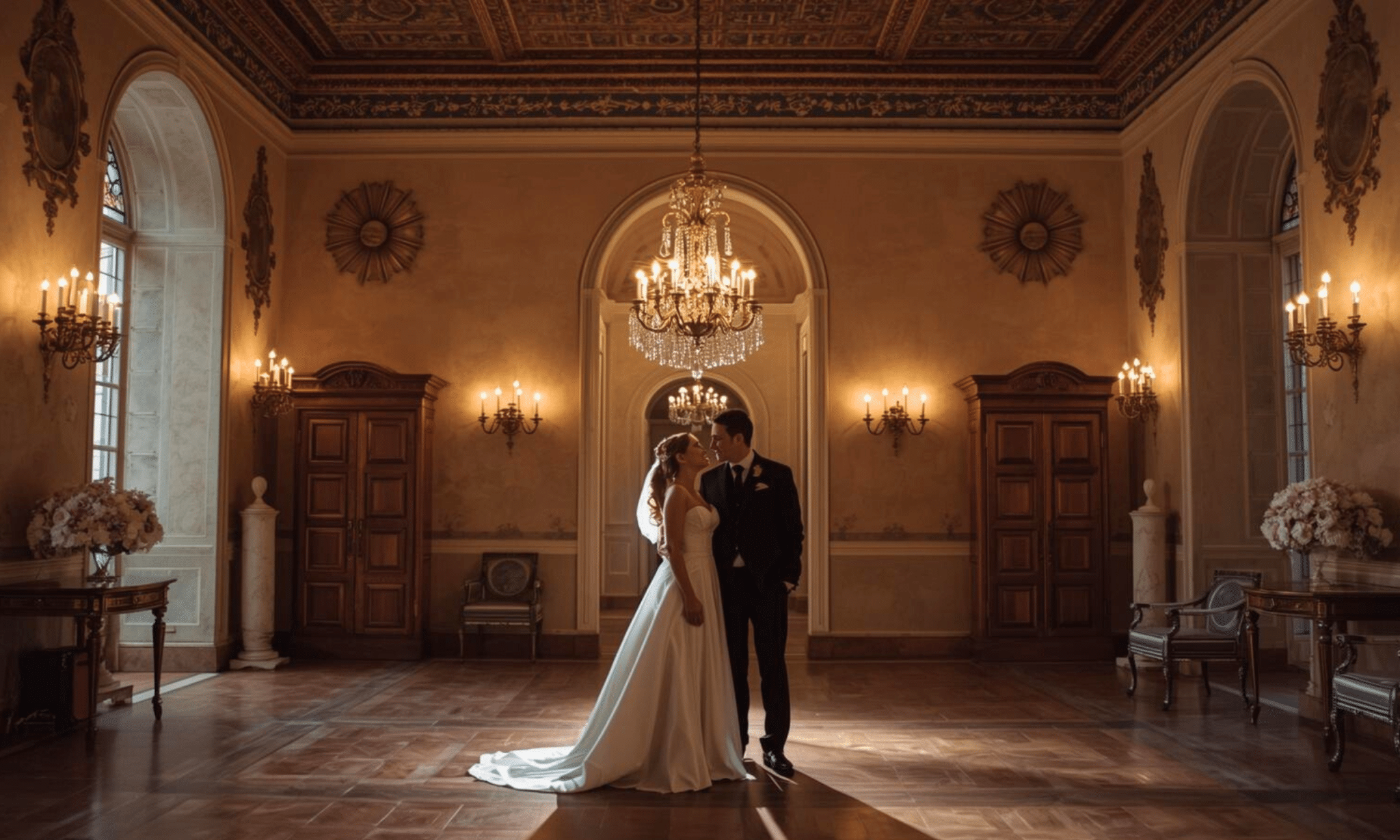
One of the most powerful economic engines for heritage real estate is the international wedding sector. Industry data shows that the European Destination Wedding market has surpassed a valuation of €25 billion. Within this landscape, a castle serves as the hub for a high-margin business.
Boutique Hospitality and the “Full Buyout” Era
We are witnessing a radical transformation in how HNWIs approach travel. Demand for Full Buyout rentals (where an entire estate is secured for family gatherings or exclusive corporate retreats) is projected to climb through 2027. The global quest for privacy and security has positioned the castle as the ultimate solution for secluded, high-security luxury stays.
Wine Equity: The Value of the Land
For properties with agricultural land, the investment thesis expands into what Savills analysts define as Wine Equity. Especially in iconic regions like Tuscany, vineyard estates offer a dual yield that is decorrelated from traditional financial markets.
Investors benefit from two distinct streams: the steady capital appreciation of the land and the historic structures, coupled with the operational profits from ultra-premium private label production. It is the perfect synergy between a prestigious family brand and the solidity of agricultural wealth: the ultimate aspiration for the 2026 global investor.
The Castle as The Ultimate Trophy Asset of 2026
Investing in a European castle in 2026 is a commitment that transcends the present. It is a strategic choice that harmonizes the consistent appreciation of historical assets with the incomparable privilege of inhabiting a living monument.
It has become increasingly clear that heritage luxury represents a stable market. As confirmed by the latest market indicators, this segment remains largely unaffected by traditional credit fluctuations, solidifying its status as an “equity-only” market. Here, value is not driven by interest rates, but protected by the absolute rarity of the asset itself.
History is for sale, but its authentic value is reserved for those with the vision to transform a fortress of the past into a strategic asset for the future. Becoming the steward of a castle in 2026 is far more than an act of possession: it is the definitive signature on a legacy that will continue to shine for generations to come.